

There are images of Andalusia that have become universal icons: flamenco, Alhambra, the oranges of Seville. But there is one that overcomes them all in visual purity: a white town hanging from a saw, with the slimmed houses shining under the noon sun and the dry and golden landscape of Andalusia extending to the horizon. This image is real, and is spread by dozens of villages along the provinces of Cadiz, Málaga, Sevilla and Granada.
The Route of the White Peoples It is not a signposted path with a concrete beginning and end: it is a way to travel within Andalusia that connects a constellation of municipalities that share an architecture, a way of life and a beauty that has no equivalent anywhere else in Spain. This guide gives you everything you need to plan for it: the essential villages, the best routes according to your starting point, the available tours and the tips that make the difference between passing by and really understanding what you are seeing.
What are the White Peoples and why are they white
The most frequent question being asked by travellers who visit the route for the first time: why are they white? The answer has several layers.
The most practical is the climate: to embed the outer walls of the houses with live lime reflects the heat of the sun in summer, keeping the interior naturally fresh. In a climate where summers usually exceed 40 ° C, this architectural solution had a completely utilitarian function. But it also has a cultural dimension: the tradition of the annual plating of facades is a social ritual in many of these peoples, a demonstration of pride and care of the house that is transmitted from generation to generation.
The historical dimension is equally fascinating: many of these peoples were founded or redesigned during the Arab period (VIII- XV centuries) and the architecture of compact houses with inner patios, narrow streets that give shade and continuous facades of lime is directly inherited from the North African Arab architecture. The Reconquista changed the owners of the villages but not their architecture, because that architecture was perfectly adapted to the climate and territory.
The most essential White Peoples of Andalusia
Ronda (Malaga): the most spectacular village
Round is the point of reference for any route through the white peoples. It is not the smallest or the most recondito, but the most dramatically located: the city is divided in two by the Ronda, a 120-meter-deep and just 70-wide parchment that the Guadalevín river has been digging for millennia on the rock. The New Bridgebuilt between 1751 and 1793 to connect the two parts of the city over the abyss, it is one of the most photographed landscapes in Spain.
Ronda also has an extraordinarily well-preserved Arab historical centre (the Arab Medina, with its old mosque converted into a church of Santa María la Mayor and the most complete 13th century Arab baths of Andalusia) and the oldest bullring in Spain in active, built in 1785 and considered the cradle of the modern tauromac.
Ernest Hemingway, Orson Welles and Rainer María Rilke are some of the writers who fell in love with Ronda. Rilke wrote his Duino's choice Here. Hemingway set up some of the most intense scenes of For whom the bells bend. There are cities that have that effect on artists.
How to get there: from Malaga (100 km by A-357 and A-367, approx. 1h 30min by car), from Seville (145 km, approx. 1h 45min), from Marbella (60 km by A-397, 1h). There is also train from Algeciras and Bobadilla.
Grazalema (Cadiz): the heart of the saw
Grazalema is probably the most perfect white village in purely visual terms: a compact settlement of shrouded houses tight with each other on the side of a saw, with the Sierra de Grazalema as a backdrop. The people give name to the Sierra de Grazalema Natural Park, the most rainy protected natural space in Spain (paradox in Andalusia, which is associated with drought) and one of the best for hiking throughout the Peninsula.
The park houses the pinsapo, a unique fir in the world that only grows in this saw and in a small enclave of Morocco, relic of the Terciario period when the Mediterranean forests were completely different. Seeing the pinss in the winter fog is a completely unexpected experience in Andalusia.
Grazalema also has an artisan tradition linked to wool fabrics: the blankets of Grazalema, made from the 18th century with merina wool from the saw, are famous throughout Spain. The artisan factory in the village continues to produce blankets with traditional methods and has guided tours.
Zahara de la Sierra (Cadiz): the lake and the castle
Zahara de la Sierra has the most iconic image of the whole route: the white people on the rock, crowned by an Arab tower of the 14th century, with the Zahara- Gastor reservoir shining in turquoise at the foot of the saw. It is the picture of Andalusia that appears in all calendars and yet surprises it as deeply when you see it in person.
The Arab castle on the top is free and from its alms the panoramic of the reservoir, the saw and the village is of the most spectacular in all of Andalusia. The village itself is small (only 1,400 inhabitants) but has an intense life of its own: life-long bars, local product shops and an impeccable serrana cuisine.
Sethenil de las Bodegas (Cadiz): the people within the rock
Sethenyl de las Bodegas is the most unique town in the whole route and possibly the most surprising in Spain: the main streets of the town are literally excavated under the rocks, with houses built against the volcanic rock wall that forms a natural roof on the facades. The streets of La Trilla and Las Cuevas, with the bars and restaurants open under the huge rock languages that stand out on the terraces, are one of those places to see to believe.
Setenil receives his curious name from the seven times he resisted the attempts of the Catholic Kings to conquer it during the Reconquest (Latin) septem nihil, seven times nothing). The inexornability of the people is due precisely to this cave architecture: it was practically impossible to assault a city where the houses were part of the rock.
Arcos de la Frontera (Cadiz): the official start of the route
Arcos de la Frontera is considered the official starting point of the White Peoples Route that runs through the province of Cadiz. Located on a promontory of sandstone that falls vertically on the Guadalete River, the medieval village of Arcos has one of the most impressive squares of the Cabildo of Andalusia: the Gothic-Renaissance Cathedral on the one hand, the Baroque City Council on the other and the cliff on the river at the bottom.
Arcos retains its function as an active city (15,000 inhabitants) and has not fallen into the trap of becoming a theme park for tourists: the bars are from the neighbors, the processions of Easter are of an extraordinary emotional intensity and on Monday there is market in the square.
Vejer de la Frontera (Cadiz): the most mysterious people
Vejer de la Frontera is the least known on the list but for many the most beautiful. An Arab walled town on a hill, with a maze of streets so narrow that at some points only one person, completely slammed and with a view over the Gaditan countryside and the Strait of Gibraltar that on clear days includes the African coast of Morocco. Vejer has a community of artists and foreigners who have chosen to live here since the 1970s that has given him an amazing cultural life for his size.
Alora (Malaga): the village of the Caminito del Rey
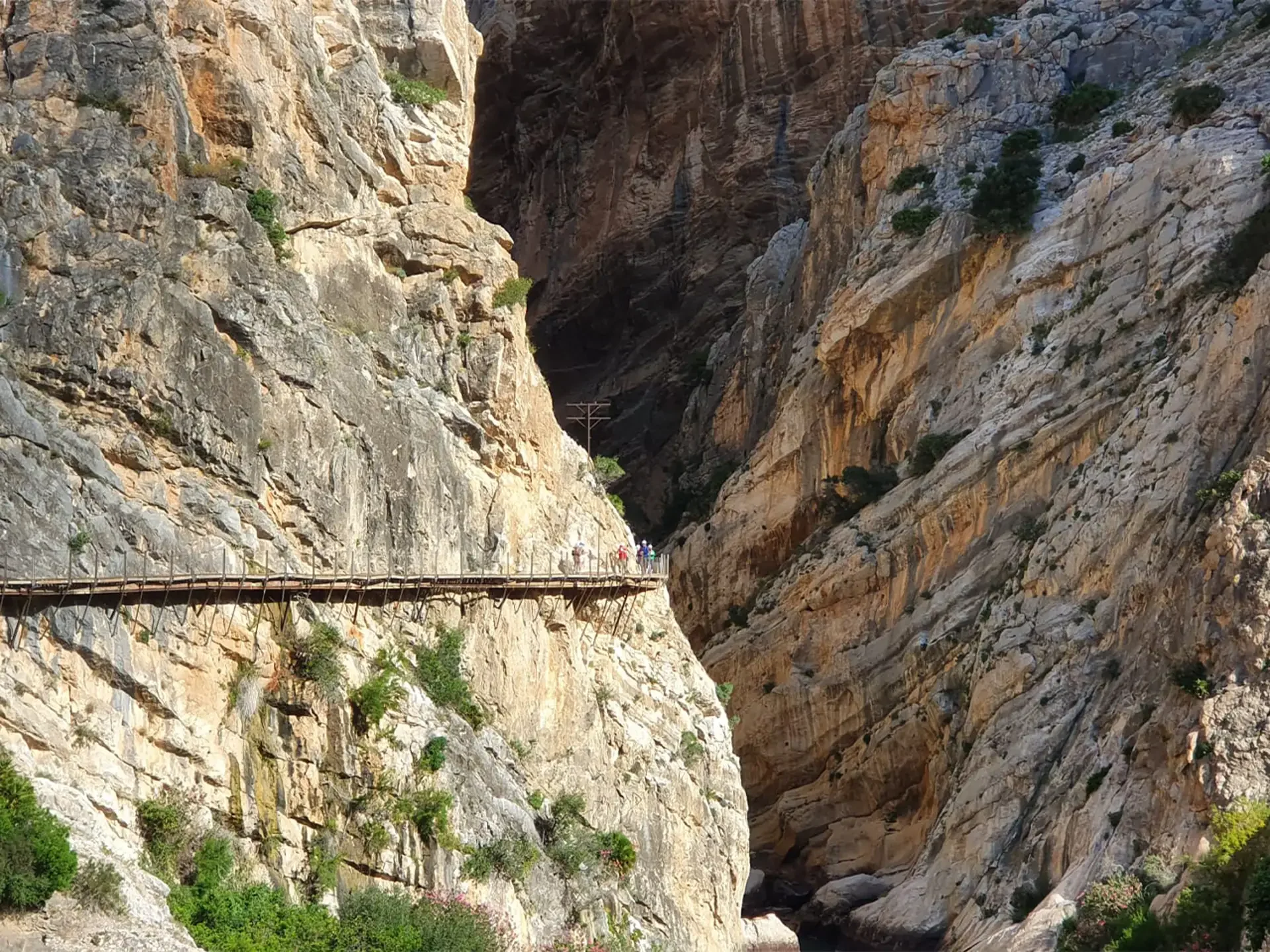
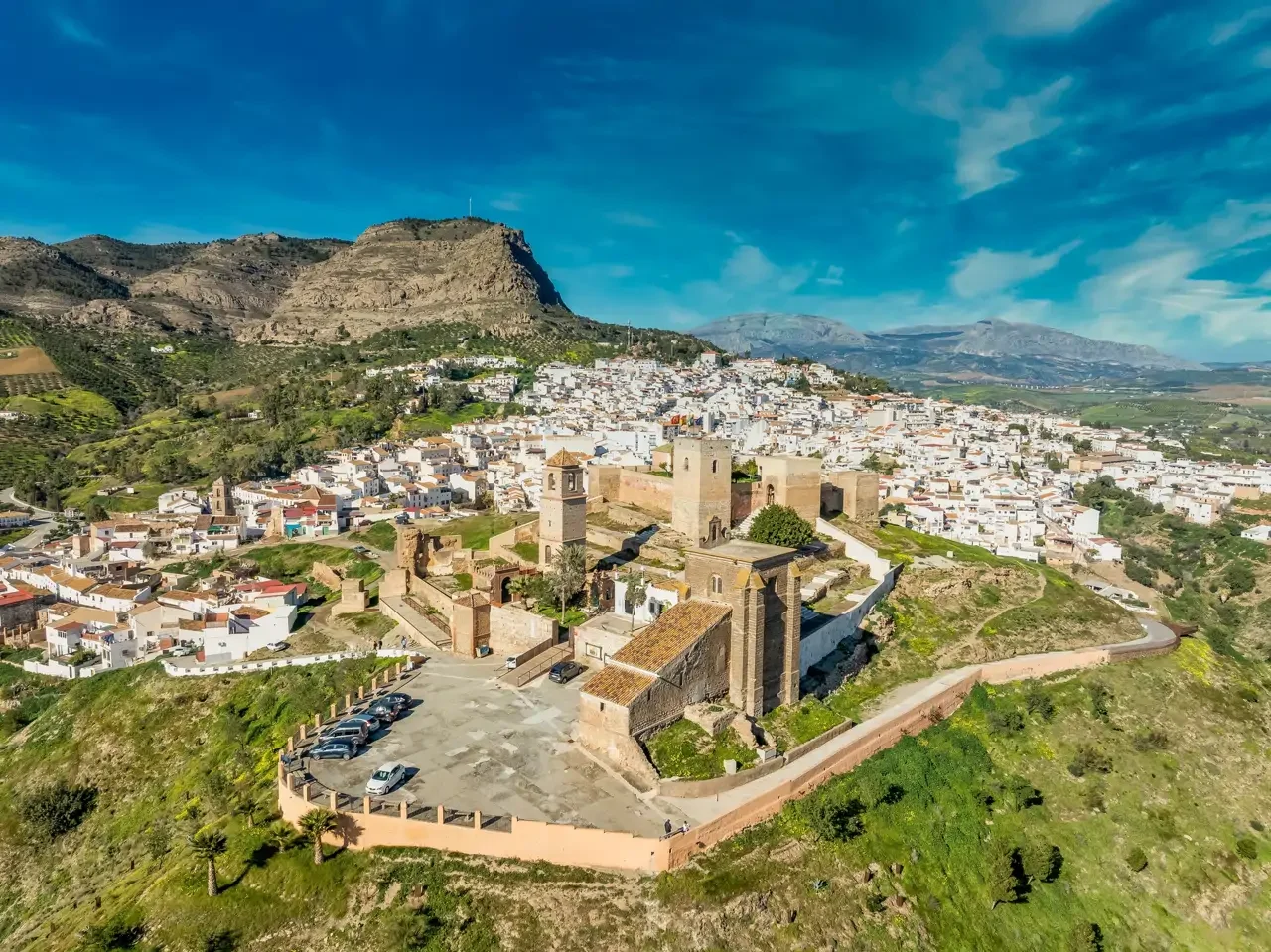
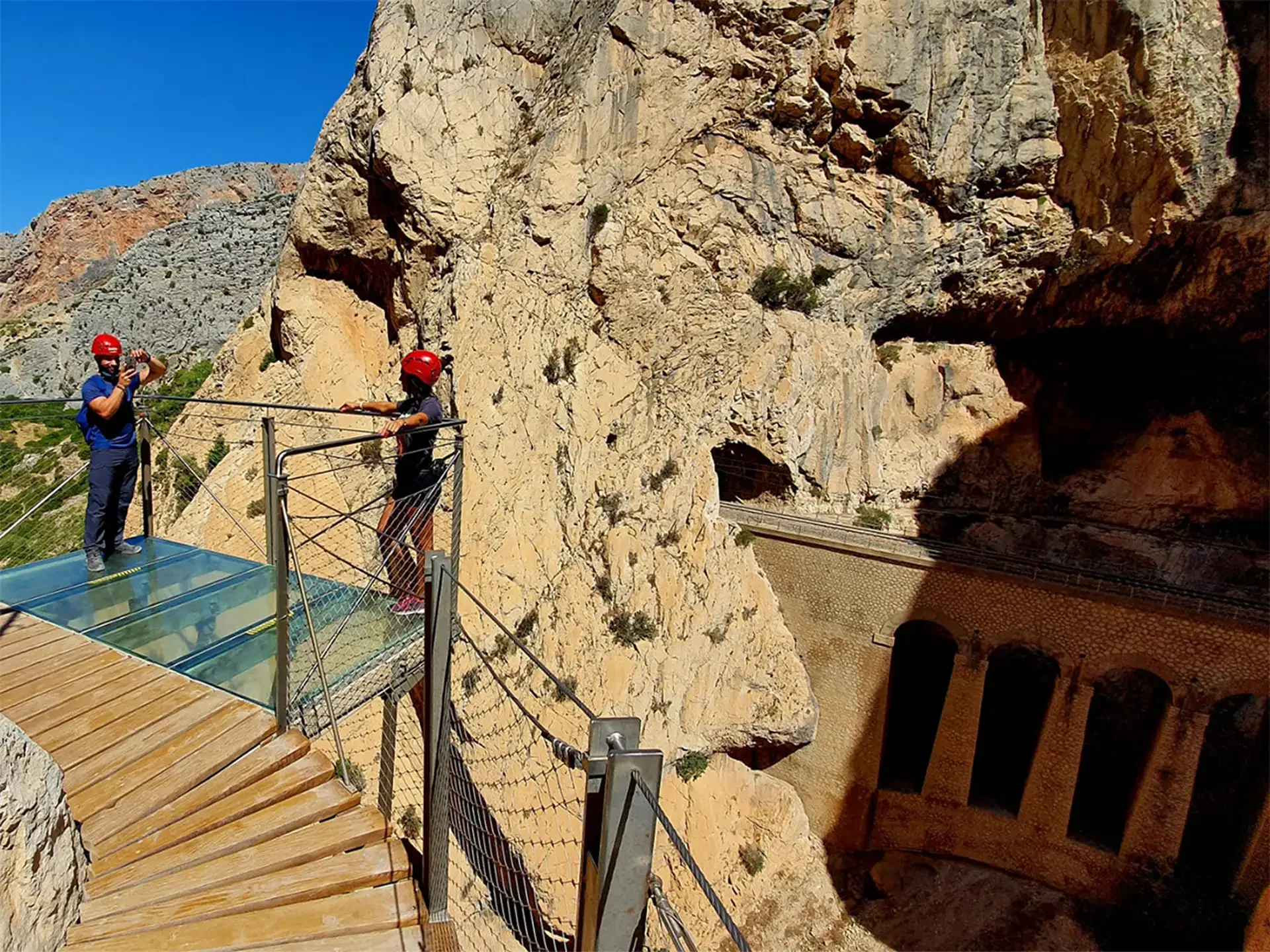
Alora is the white town of the province of Málaga more directly linked to the Caminito del Rey: it is the municipality in whose municipal term is the north access to the path, and the most valued combined excursion of all Andalusia combines precisely the two visits.
Alora retains its Arab castle at the top of the hill, the 16th century Church of the Incarnation and a Pepe Rosas Mirador with views of the Guadalhorce Valley and the King's Walk in the distance. And it has an impeccable Malagasy serrana gastronomy: the dairy scapes, the white hams, the sausages of the saw and the wine of the earth are more than enough reasons to stay to eat.
Mijas (Málaga): the most tourist, but rightly so
Mijas is certainly the most visited white town on the Costa del Sol due to its proximity to the large tourist complexes of the coast (just 8 km from Fuengirola). This has made it a more commercial destination than the previous ones, but the architecture of the old people, the Sanctuary of the Virgin of Peña located in a rock cave and the views on the Costa del Sol from the Balcony of Europe remain impressive.
Málaga: tour guided by Mijas (2 or 4 places) - Top rated. The most original and fun way to explore Mijas and its surroundings: buggy 4x4 with guide through the municipal term, passing through paths, viewpoints and corners that conventional tourism does not see. 4.9 on average with more than 216 reviews. 2 hours, from €145.
The 3 main routes according to your starting point
Route from Malaga: Caminito del Rey + Alora + Sierra villages
The most complete and best organized route you can make from Malaga combines the King's Walk with the white villages of the environment in one day, including tasting of authentic Andalusian tapas:
Walk of the King and white villages with tapas from Malaga - The best-valued tour of the entire province of Málaga. 10.5 full-day transport from Malaga, guided tour to Alora (white village), Andalusian tapas brunch and tour of the Caminito del Rey with official guide. ♪ Top rated with 4.9 on average and over 2,060 opinions. From €57.
For those who prefer the most classic format of the Caminito as a main excursion and white villages as a complement, you also have:
Tour guided by the King's Walk and welcome pack from Malaga - 7 hours with transport and guide, the best-selling tour of FeelRoute. ∞ Top Valorado, 4.8 with more than 15,800 reviews. From €59.
And if you arrive from the Costa del Sol (Marbella or Estepona):
From Marbella or Estepona: One-day guided tour to the King's Walk - With collection in both cities, perfect to combine with the Malaysian serrano environment. 6-8 hours, from €110.
Route from Seville: the white villages of Cadiz
From Seville the classic route of the white villages runs through the Gaditana saw: Arcos de la Frontera, Zahara de la Sierra, Grazalema and Setenil de las Bodegas are the four vertices of a circuit that can be done in two or three days comfortably.
For a one-day trip from Seville, the most common destination is the Caminito del Rey, which although in the province of Málaga, is perfectly complemented by the visit to the white villages of the area:
From Seville: a day trip to the King's Walk - 12 hours full day with transport from Seville, guide and entrance. 4.5 with over 1,200 opinions. From €89.
For the rest of the excursions from Seville through the white villages and the interior of Andalusia, see our complete guide to excursions from Seville.
Several day drive: the complete route of the white villages
If you have three or four days and a rental car, the complete route of the white villages is one of the most rewarding trips you can make in Spain. The classic several-day itinerary unites the most important villages in a logical circuit from Seville or Malaga:
Day 1 - From Seville: Arcos de la Frontera and Zahara de la Sierra
It leaves Seville (95 km to Arcos, 1h 10min). Tomorrow in Arcos: the square of the Cabildo, the Cathedral and the lookout over the Guadalete. After eating, 45 minutes to Zahara de la Sierra: the castle on the top and the turquoise reservoir. Night in Grazalema or Ronda.
Day 2 - Grazalema, Setenil and Ronda
Tomorrow in Grazalema: the most photogenic village in the saw, the pinss if time allows. Midmorning in Setenil de las Bodegas: the streets under the rock, the usual bar with table under the stone roof. Late in Ronda: the Tagus, the New Bridge, the bullring. Night in Ronda.
Day 3 - Round, King's Walk and Alora
I'm free tomorrow in Ronda to visit the Arab baths and the bandit museum. After eating, transfer to the King's Walk (40 km from Ronda): the walkways of the parade in the afternoon, when there are fewer people. Night in Alora or Malaga.
Day 4 - Mijas and return to the coast
Tomorrow in Mijas: the white town of the Costa del Sol, the sanctuary and the views of the Mediterranean. Return to Malaga or the Costa del Sol.
Gastronomy of the White Peoples: what to eat on the road
The gastronomy of the Andalusian saw is one of the great surprises of the route. Apart from the coastal topics, it is a cooking for use, for hunting, for sausages cured in the air of the mountain and for peas of legumes that need hours of slow fire. These are the essential:
Dairy Chivo to the pastorile
The milkhead of the Serrania de Ronda is one of the most appreciated products of Andalusian cuisine. It is cooked in the wood oven with garlic, olive oil and wild herbs from the saw. The best are eaten in the Mesons of Ronda and in the villages of Serrania.
Ajoblanco malagueño
The oldest Andalusian cold soup, pre-gazpacho: white bread, almonds, garlic, olive oil and vinegar, served with grapes or melon in summer. It is the most refreshing and nutritious dish of rural Malagasy cuisine.
Serrano-butyl
The chorizos, morcillas and longanizas of the Gaditana and Malagueña saw, cured in the fresh air of the mountain for months, have a concentration of taste that do not have those of industrial production. The local markets and shops in each village are the best place to buy them.
Cheeses of the saw
The goat and sheep cheeses of the Sierra de Grazalema have their own origin. The Grazalema cheese, made from merina sheep's milk from the saw, is one of the best hard pasta cheeses in Spain.
Wines of the Serrania de Ronda
The Serrania de Ronda has a designation of origin of its own wines (DO Sierras de Málaga) with wineries that produce high quality inks of extraordinary quality. The cold of the nights at 700-900 meters above sea level gives the wines an acidity and a structure that do not have those of the coast.
Alora's tapas
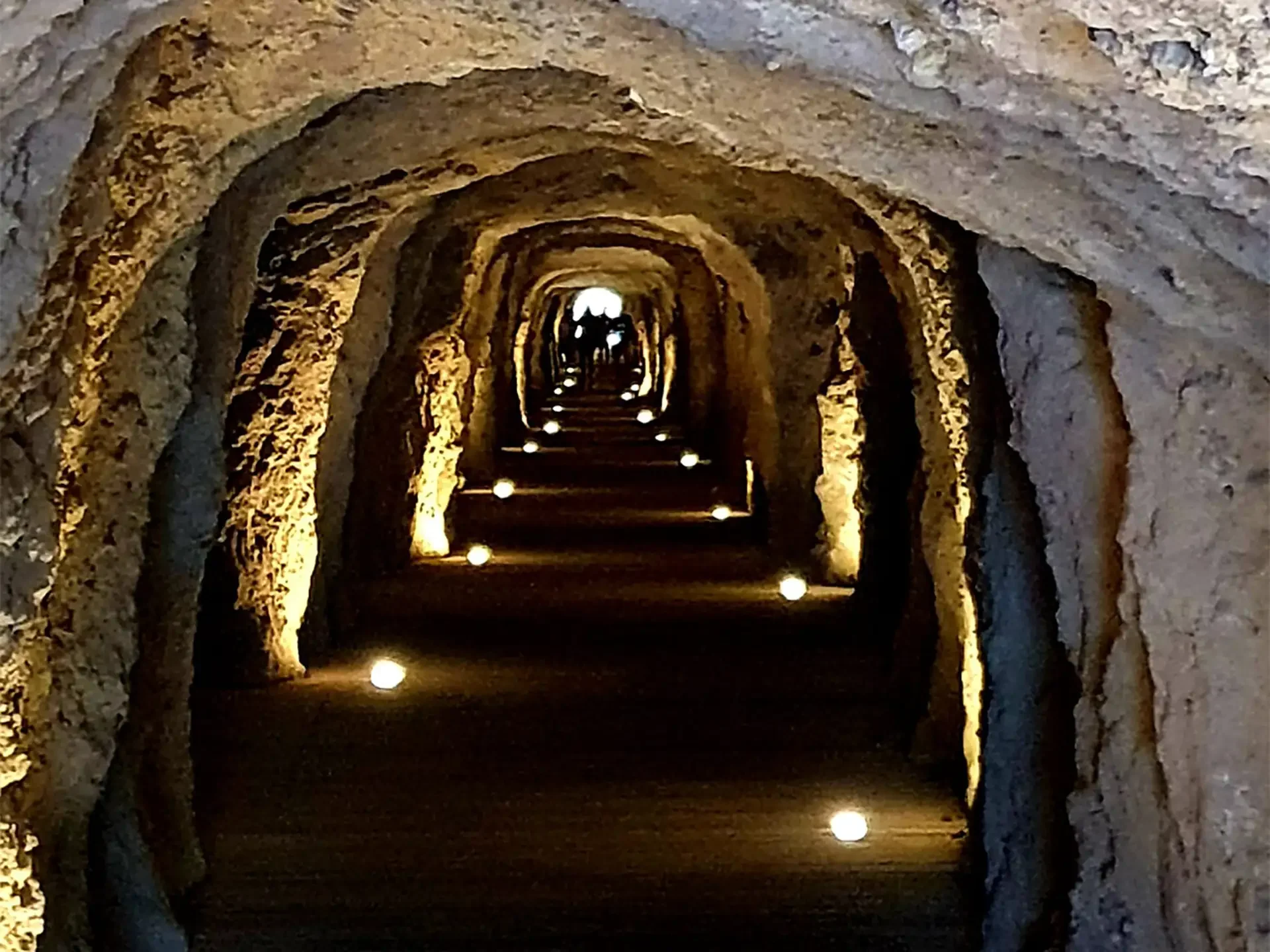
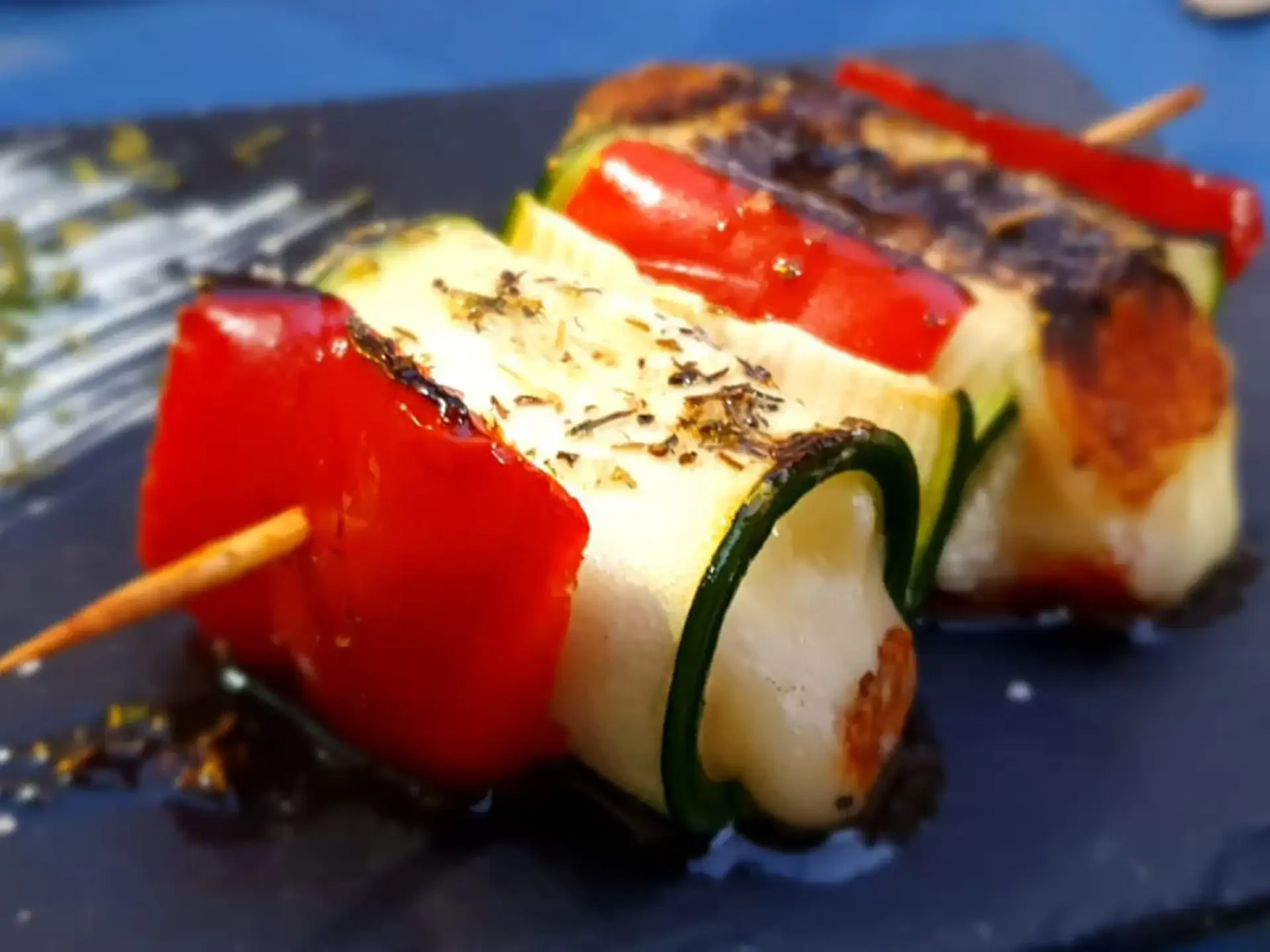
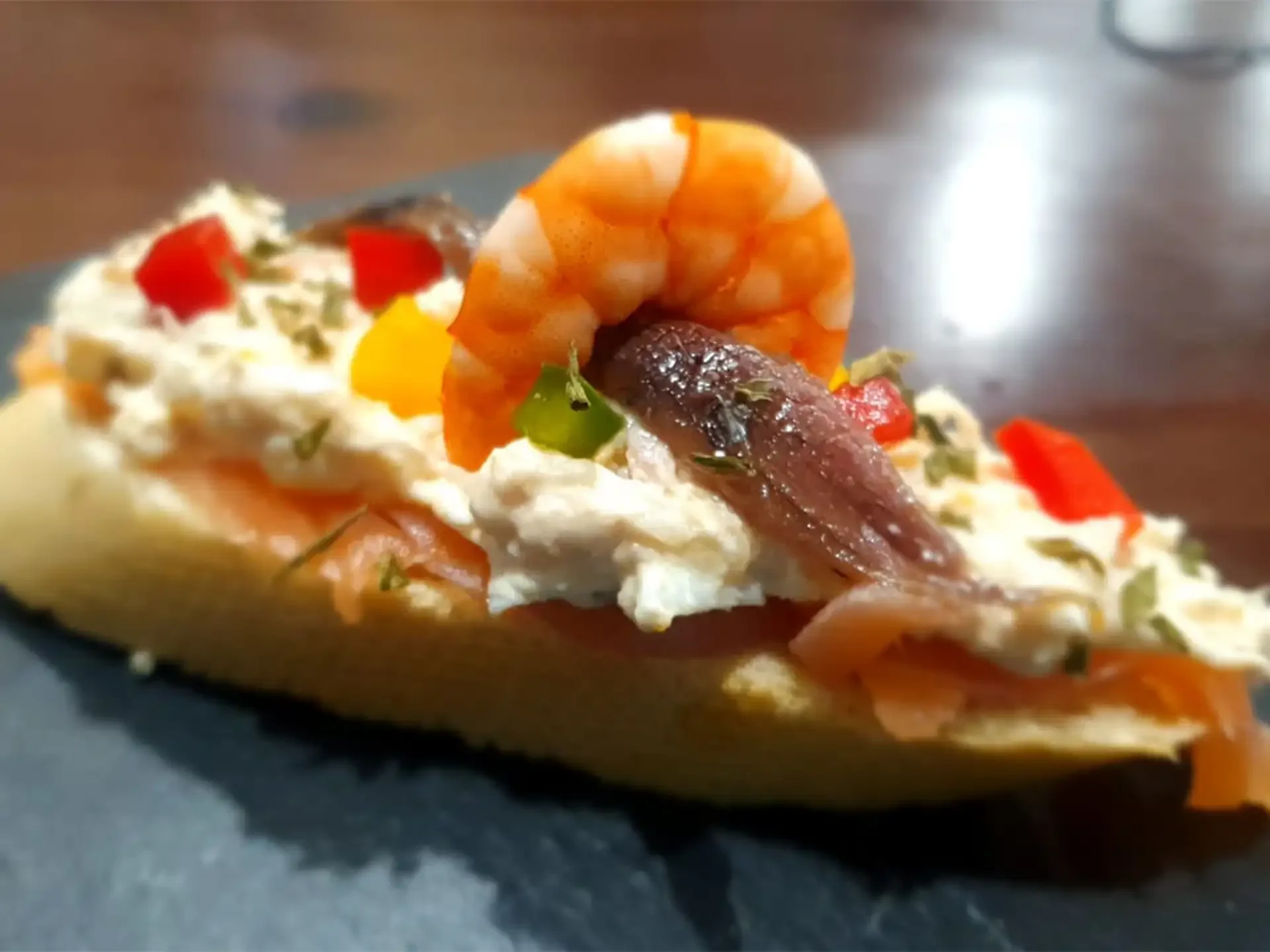
If you make the combined tour of the King's Walk with Alora, the tapas brunch in the town included in the tour is one of the most authentic gastronomic experiences on the route: local products, cooked in a traditional way, in a village where tourists do not usually arrive. Bread catet with ground oil, vinegar noodles, scents, butter loin, fresh cheese with saw honey.
The best time to visit the White Peoples
Spring (March-May): the perfect time
Spring is certainly the best time for the white peoples. The temperatures are perfect for walking (between 15 and 25 ° C), the landscape is at its greenest and most flourishing moment (especially in Grazalema and the surroundings of the King's Walk) and the spring light on the watertight facades is of an extraordinary photographic quality. The Holy Week in the white villages (especially in Arcos de la Frontera and Ronda) is one of the most impressive religious rituals in Andalusia.
Autumn (September-November): colors and harvest
The fall is the second best time: the vineyards of the Serrania de Ronda are in full harvest, the temperatures have fallen from the extremes of summer and the villages have a golden sunset light that in spring they do not have. October and November are the best months for hiking in the Sierra de Grazalema.
Summer (June-August): only tomorrow
The summer in the interior of Andalusia can be extreme: Ronda, Grazalema and the white villages of the saw can exceed 38-40 ° C in July and August. If you visit in summer, the first hours of the morning and the evening-night are the moments to explore. The advantage is that the villages have a very lively nightlife in summer: the terraces are filled when the heat comes down and the festive environment is extended until well into the early morning.
Winter (February): silence and fog
Winter in the Sierra de Grazalema can be surprisingly cold and rainy (it is the most rainy area in Spain). But the villages in winter have a different charm: without tourists, with the smoking chimneys, the local markets working and the possibility of having the Tajo de Ronda for practically one. For those who enjoy solitude and silence, winter is a very valid option.
Practical tips for the White Peoples
A car or an organized tour?
For the full route of several days, the own car or rental is the only real option:: White peoples are poorly connected by public transport (especially Grazalema, Zahara and Setenil). Car rental in Málaga or Sevilla from 30-40 €/ day.
For one-day excursions from Malaga or Seville, the organized excursions are the most efficient option: especially the combination of the King's Walk with white villages and tapas, which in one day covers the two great attractions of the area with all included.
Where to sleep on the route
Round: the best basis for exploring the villages of the Malagasy Serrania. Extensive hotel offer, good gastronomy and a life of its own that does not depend on tourism.
Grazalema: excellent quality hotels and rural houses. The quieter and most connected option with the nature of the Gaditan saw.
Arches of the Border: parators and rural houses in the historic centre. Good base for the northern stretch of the Gaditan route.
Zahara de la Sierra: farmhouses directly over the reservoir. Minimum service but maximum authenticity.
What to carry
Comfortable footwear for walking on cobblestones and earrings (white villages have steep slopes)
Solar protection and cap (essential in summer and spring)
Evening clothing (the saw is several degrees colder than the coast)
Cash: many small-town bars and shops do not accept a card
Camera or loaded mobile: each curve of the route is a photo
Related items that may interest you
Walk of the King and white villages: tour from Malaga with tapas
Caminito del Rey from Seville: practical guide to the 1 day tour
Excursions from Seville: the best tours and one-day routes in Andalusia
Frequently asked questions about the White Peoples' Route
How many days do I need to make the White Peoples Route?
To make the full route (Arcos, Zahara, Grazalema, Setenil, Ronda and the Malagasy villages) you need 3 to 4 days with your own car. If you just want to see the best in the province of Cadiz, with two days you have enough. For a one-day tour from Malaga or Seville, the combination of the King's Walk with Alora is the most efficient option.
What is the most beautiful white town in Andalusia?
It is subjective, but the most cited are Ronda (for the show of the Tagus and the New Bridge), Zahara de la Sierra (for the combination of the reservoir and the castle) and Setenil de las Bodegas (for the uniqueness of its streets under the rock). Grazalema and Vejer de la Frontera are favorite among those who seek authenticity and less tourism.
Can you visit the white villages without a car?
The largest white villages (Ronda, Arcos de la Frontera) have a bus connection from Seville and Málaga. The smallest and most spectacular (Grazalema, Zahara, Setenil) are very difficult to visit without your own car independently. The excursions organized from Malaga and Seville are the most practical alternative for those who have no vehicles.
Are the white villages in Cadiz or Malaga?
Most of the most famous white villages are in the provinces of Cadiz (Arches, Grazalema, Zahara, Setenil, Vejer) and Malaga (Ronda, Alora, Mijas, Casares). There are also notable white villages in the provinces of Granada, Seville, Córdoba and Huelva. The most compact and spectacular route combines the Gaditan and the Malagasy.
When are the best parties in white villages?
The Holy Week In Arcos de la Frontera and Ronda is of an extraordinary intensity and beauty: processions in narrow streets, saets in the dark, the drama of the liturgy amplified by the architecture of the peoples. The Patios de Córdoba (May) are not technically white villages but are the logical extension of the route. And the Ronda harvest (September) combines wine culture with serrano landscape at the golden moment of the year.
Is the route of the white villages expensive?
The route is one of the most economic in Andalusia: small towns have much lower prices than capital. A menu of the day in Grazalema or Zahara costs between €10 and €14; accommodation in rural houses is part of €60-80 / night for two people; and many of the visits (castles, churches, viewpoints) are free or have a symbolic price. The only significant cost is car rental if you don't have your own vehicle.
Conclusion: the white peoples, the soul of Andalusia
The white peoples are what is left of Andalusia when the massive tourism of the coasts and the capital is removed. They are the most authentic south: the one who lives at his pace, who keeps his Arab architecture with pride, who continues to make his sausages with the usual recipes and who receives the outsiders with the hospitality that characterizes this land.
If you can only make a one-day excursion, the combination of the King's Walk with Alora and the Andalusian tapas is the most efficient and complete way to take a first image of this interior Andalusia. If you have more time, the full circuit of three or four days along the entire route is one of the most rewarding and less massified trips you can make in Spain.
Ready to start planning? Discover all the tours available from Malaga and excursions from Seville in FeelRoute, with free cancellation and instant confirmation.


