

A weekend in Seville is enough to understand why this city has been considered one of the most beautiful in Europe for centuries. You will not see everything - Seville is a city that always keeps something for the next visit - but with two well-planned days you can see the three World Heritage monuments of the historical set, walk through the Santa Cruz district, watch a live flamenco show, cross the Guadalquivir to Triana, take tapas in the bars of all life and take a full and honest picture of the capital of Andalusia.

The key for a weekend in Seville to work is exactly the same as for any short trip to a dense city: prioritize well, book in advance the most demanded monuments and have an hour-to-hour itinerary that does not try to do everything but does the right thing. This guide gives you.
What you need to know before you get there
When to go to Seville in weekend
Seville in spring (May) and autumn (November) is perfect for a weekend: pleasant walking temperature, quality light for photos and less saturation than summer. The Sevillian summer (July-August) can exceed 42-45 ° C at noon, which makes it very hard to walk the historic town in full sun. If you go in summer, adjust the itinerary: early morning monuments, rest in the coolest part of the day and late-night walk.
Especially avoid The Easter bridges (the April Fair goes after) if you want to move with comfort. On those dates, Seville is an extraordinary cultural experience but the monuments are exhausted weeks in advance and the hotels have been filled for months before.
How to get to Seville
From Madrid: AVE in 2h 30min. The most comfortable and most used option for the weekend. Santa Justa Station is a 10-minute taxi ride from the historic centre.
From Barcelona: AVE in 5h 30min (with transhipment in Madrid) or direct flight in 1h 45min.
From Malaga: 2h 15min by car (A-92), 2h by bus or 45 minutes by AVE (transhipment in Antequera).
From Lisbon: 2h 30min by car (210 km by A-6 / IP8). Sevilla is one of the favorite weekend destinations of the lisboets.
The most important reservation you have to make before you leave
The Real Alcázar de Sevilla is the most visited monument in the city and has a limited capacity for time range. In high season (Easter, summer, bridges) the tickets are exhausted with days or weeks in advance. Always book the Alcázar before leaving the house. If you arrive in Seville without reservation, you are very likely not to be able to enter that weekend.
The Cathedral has more capacity and can usually enter the same day, but online booking also avoids queues and allows you to choose the schedule.
Itinerario Sevilla 2 days: hour per hour
Day 1 - The monumental heart: Alcázar, Cathedral and Santa Cruz
9: 00h - Real Alcázar: the oldest palace in Europe in use
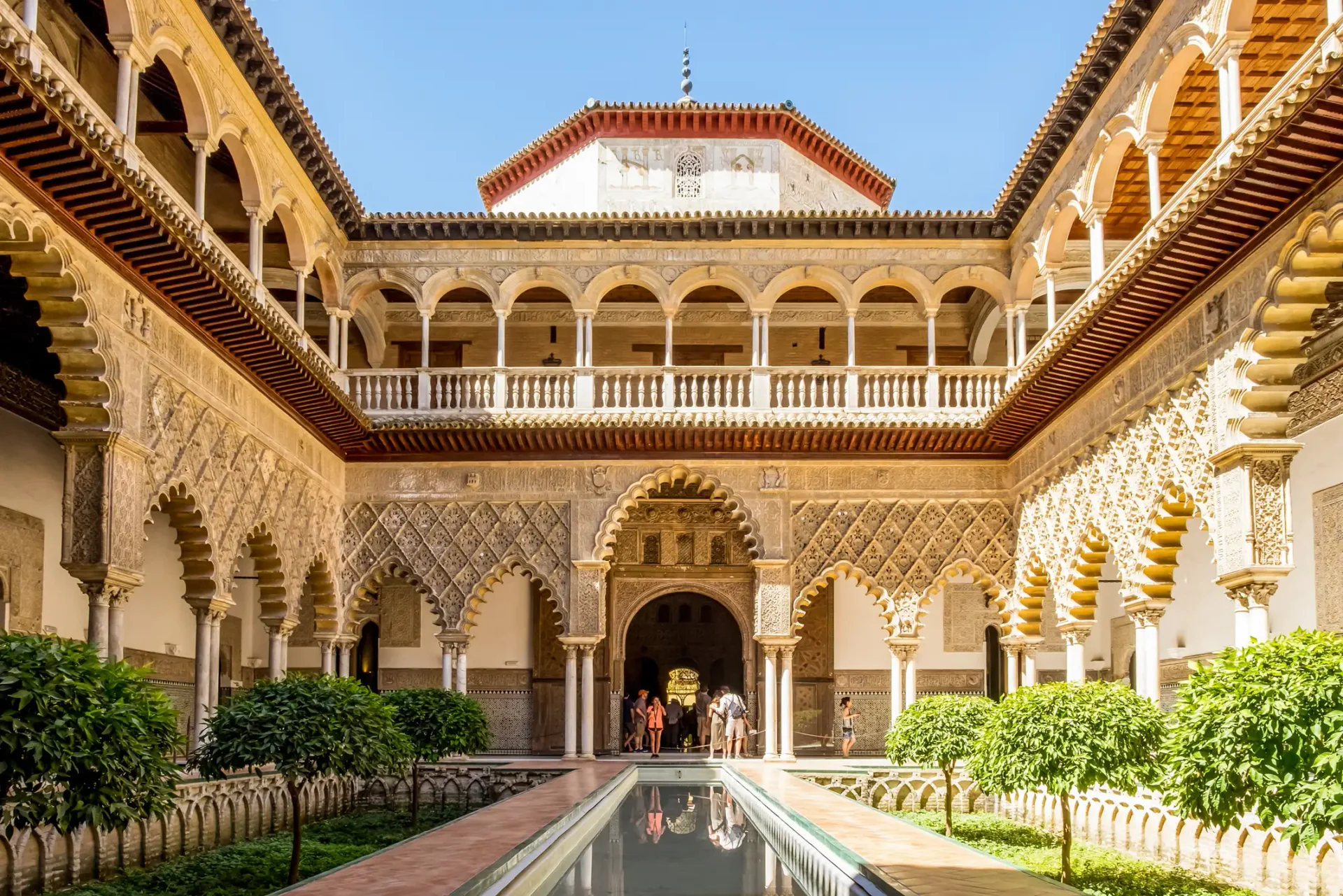
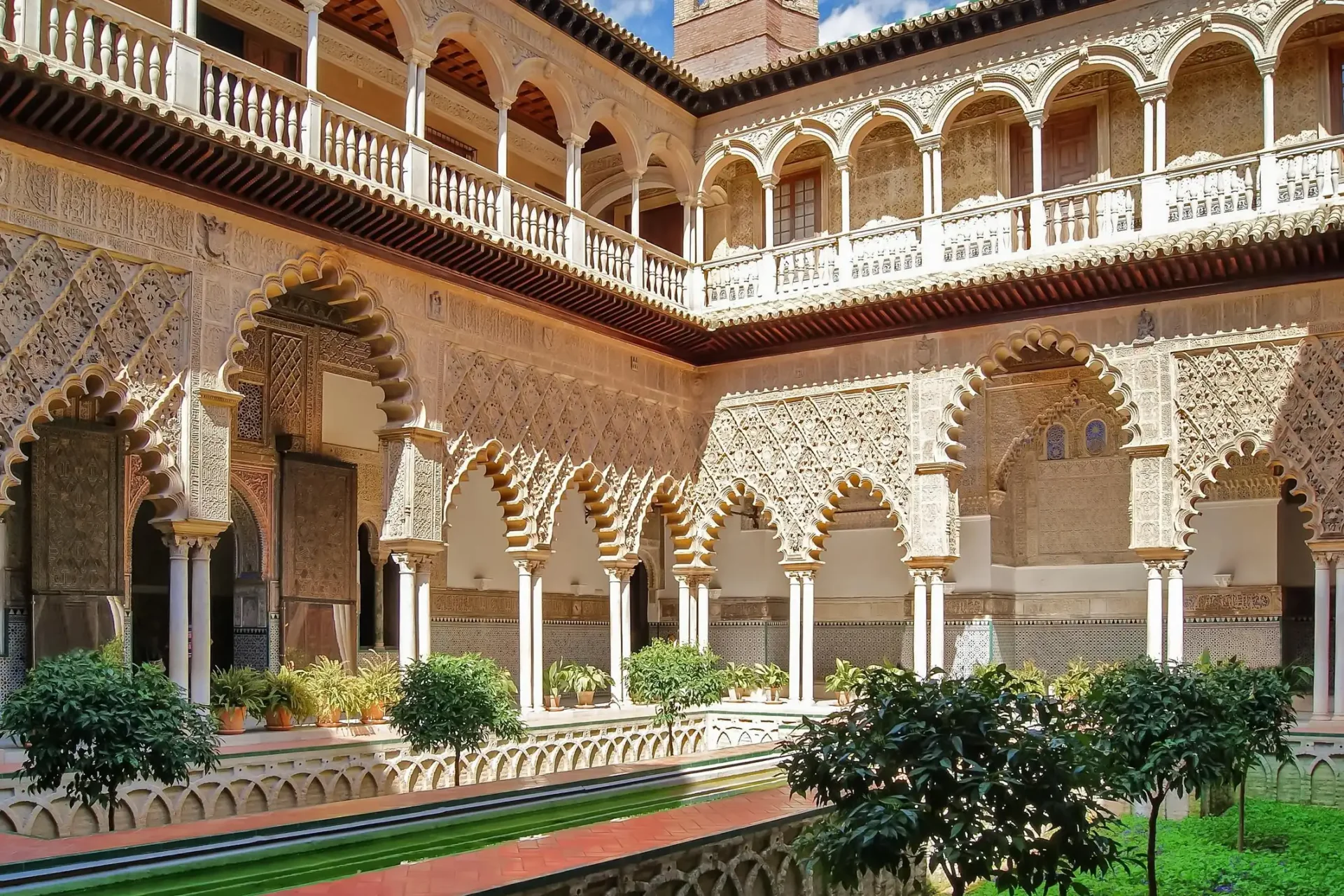
The day begins with the monument that most squares is exhausted: the Real Alcázar de Sevilla. The oldest palace in use in Europe (originally built in the 10th century and extended for more than eleven centuries by successive monarchs) is one of the most extraordinary examples of Mudejar architecture in the world: Arab artists working for Christian kings, creating a synthesis of cultures that has no equivalent anywhere else in Spain.
The indispensable of the Alcazar:
Hall of Ambassadors: The golden orange half of the 15th century with mocaras and Arab geometric decoration is the most reproduced image of the Alcázar. Spectacular.
Courtyard of the maids: the central courtyard of the palace of Peter I, with its reflective pond and the white marble columns of Genoa. Scenario of several seasons of Game of Thrones.
The gardens: The Alcázar gardens are a maze of oranges, fountains, pavilions and ponds that can be traveled for hours. In spring, when the oranges bloom, the smell of the azahar is absolutely intoxicating.
Sevilla: Entrance to Real Alcázar - The most reserved ticket in Seville. More than 27,848 opinions with 4.6 rating. Direct access avoiding the box office tail. From 20 €.
For more information on how to choose the best entry, read our article Tickets for Real Alcázar: how to choose the best option and avoid errors.
- Council: book the Alcázar entrance for 9: 30 (or first session available). The gardens have spectacular light at first hour and the massification is minimal compared to noon.
11: 30 - The Cathedral and the Giralda: the largest in the world
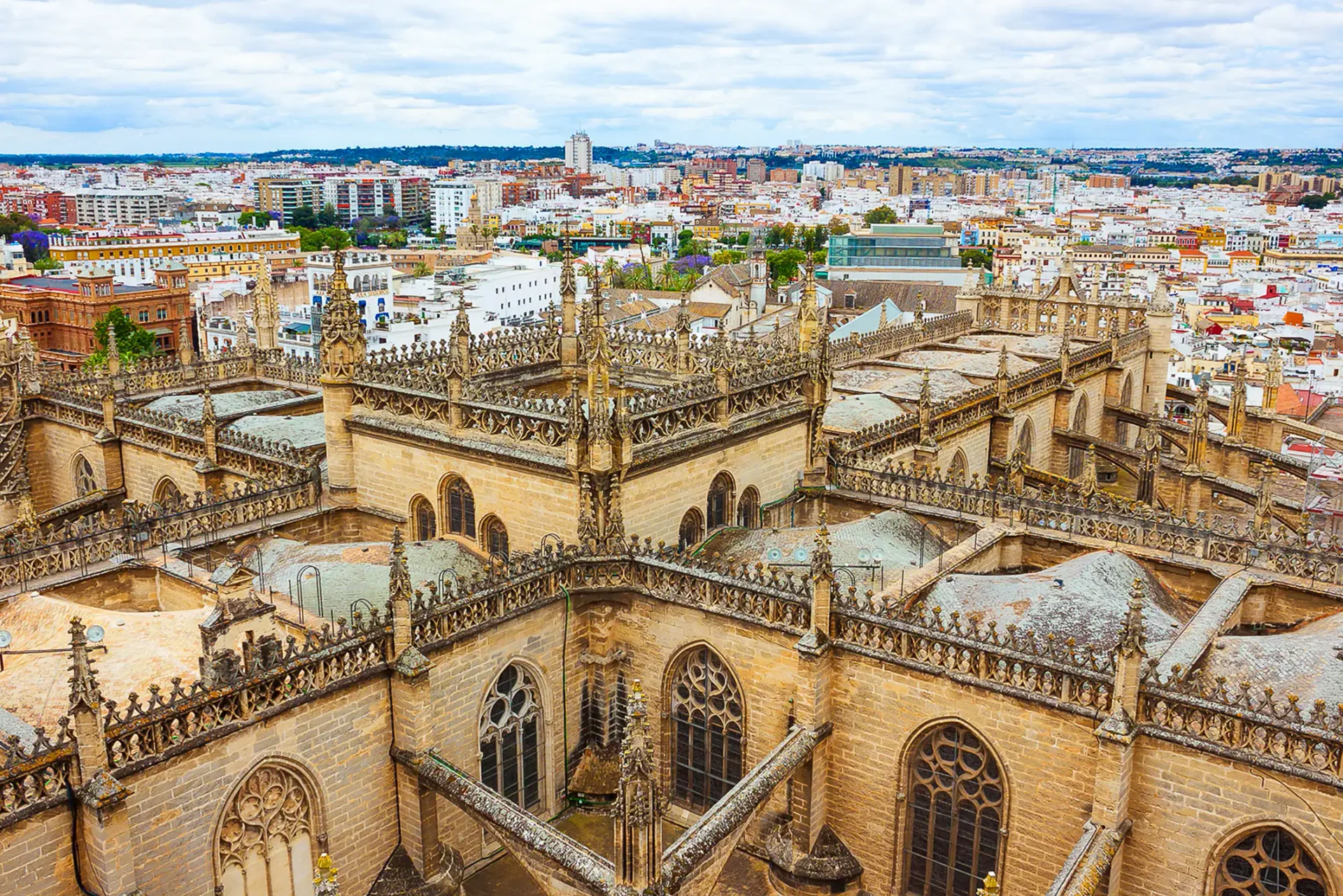
Three minutes walk from the Alcázar, the Cathedral of Seville is the largest Gothic building in the world by volume and the third largest Christian temple after St. Peter in Rome and St. Paul in London. It was built between 1401 and 1507 on the ancient Almohad mosque of Seville, from which it preserved the courtyard (the current Patio de los Naranjos) and the alminar (the famous Giralda, today bell tower).
What you can't miss at the Cathedral:
The tomb of Columbus: the remains of Cristóbal Colón (or what historians believe to be its remains, with some scientific controversy) rest in a monumental Baroque tomb carried by four allegorical figures of the ancient realms of Spain.
The Major Chapel: the largest altarpiece in art history, 44 meters high and 28 meters wide, covered with gold figures carved between 1482 and 1564.
The rise to the Giralda: The 104-meter tower is raised by a ramp (not steps) that the muecines were riding. From the top, the view on the roofs of Seville and the Guadalquivir is impressive.
Seville: Entrance to the Cathedral and La Giralda - More than 24,174 opinions, 4.5 of assessment. From 17 €.
Sevilla: Priority access Cathedral Tour, Giralda and Alcázar - The pack that combines the two monuments with priority and guide access. 4.8 of valuation. From €54. The most efficient option for a weekend with limited time.
For all about the Cathedral and the Giralda, read our complete guide: Tickets for the Cathedral of Seville and the Giralda: how to choose and when to buy.
13: 30 - Tapas in the Barrio de Santa Cruz
The Santa Cruz district around the Alcázar and the Cathedral as a crown of white alleys, oranges and balconies with flowers. It was the Jewish quarter of Seville (until the expulsion of 1492) and it retains its medieval labyrintic layout perfectly. It is also the area with the most tourists from all over the city, which has its good side (the concentration of bars is very high) and its bad side (prices are higher than in other neighborhoods).
For the midday table, the council is to get away from two streets of the most tourist axes (Mateos Gago Street, Doña Elvira Square) and look for the bars where the Sevillans eat: the area of Calle Agua, the Plaza de los Venerables or any bar that has more local customers than tourists.
16: 30 - mushrooms of Seville and the district of La Encarnación
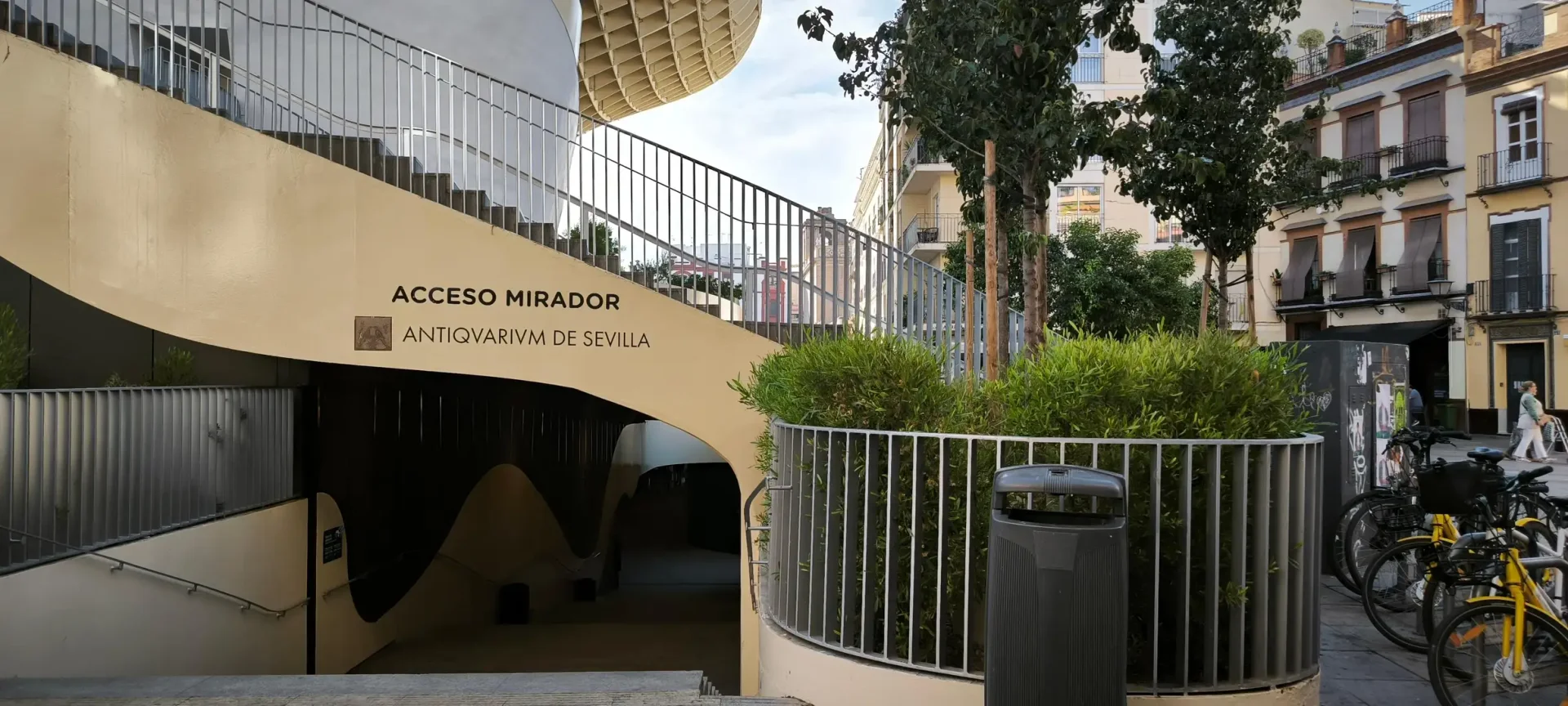
The Fowls of Seville (officially Metropol Parasol) are the largest wooden structure in the world: six huge intertwined wooden umbrella designed by the German architect Jürgen Mayer which was completed in 2011 and which have become one of the most recognizable contemporary symbols in the city. There is a high runway on the top with 360 ° panoramic views over the city which is absolutely spectacular at sunset.
In the basement, the excavations to build the mushrooms discovered Roman and medieval remains that today form the Antiquarium Museum, one of the most important archaeological sites in Seville.
Seville: Shoes of Seville - Ticket of entry - Access to the panoramic gateway + archaeological museum of the subsoil. More than 8,438 reviews with 4.6. From 16 €.
For all about the mushrooms, read our guide: Stas de Sevilla tickets: guide, schedule and tips.
18: 00 - Alameda de Hercules and Triana tour
The Alameda de Hercules is the oldest walk in Europe (built in 1574 as a recreational area of the Sevillian nobility) and today one of the most authentic and lively spaces of the historical center. Its terraces and bars of all life, with the two Roman pillars of the first century with the statues of Hercules and Julio César on the extremes, have a completely different atmosphere than that of Santa Cruz.
From the Alameda, it crosses the Guadalquivir through the bridge of Elizabeth II to the district of Triana: the most Sevillian district of Seville, cradle of flamenco, bulls, ceramics and the popular Sevillian identity. Walk on San Jacinto Street, go to the Triana Market (with local ceramic stands and land products) and end on the river bank looking at the roofs of the historic center reflected in the Guadalquivir.
21: 00h - Live Flamenco: the first day's gold brooch
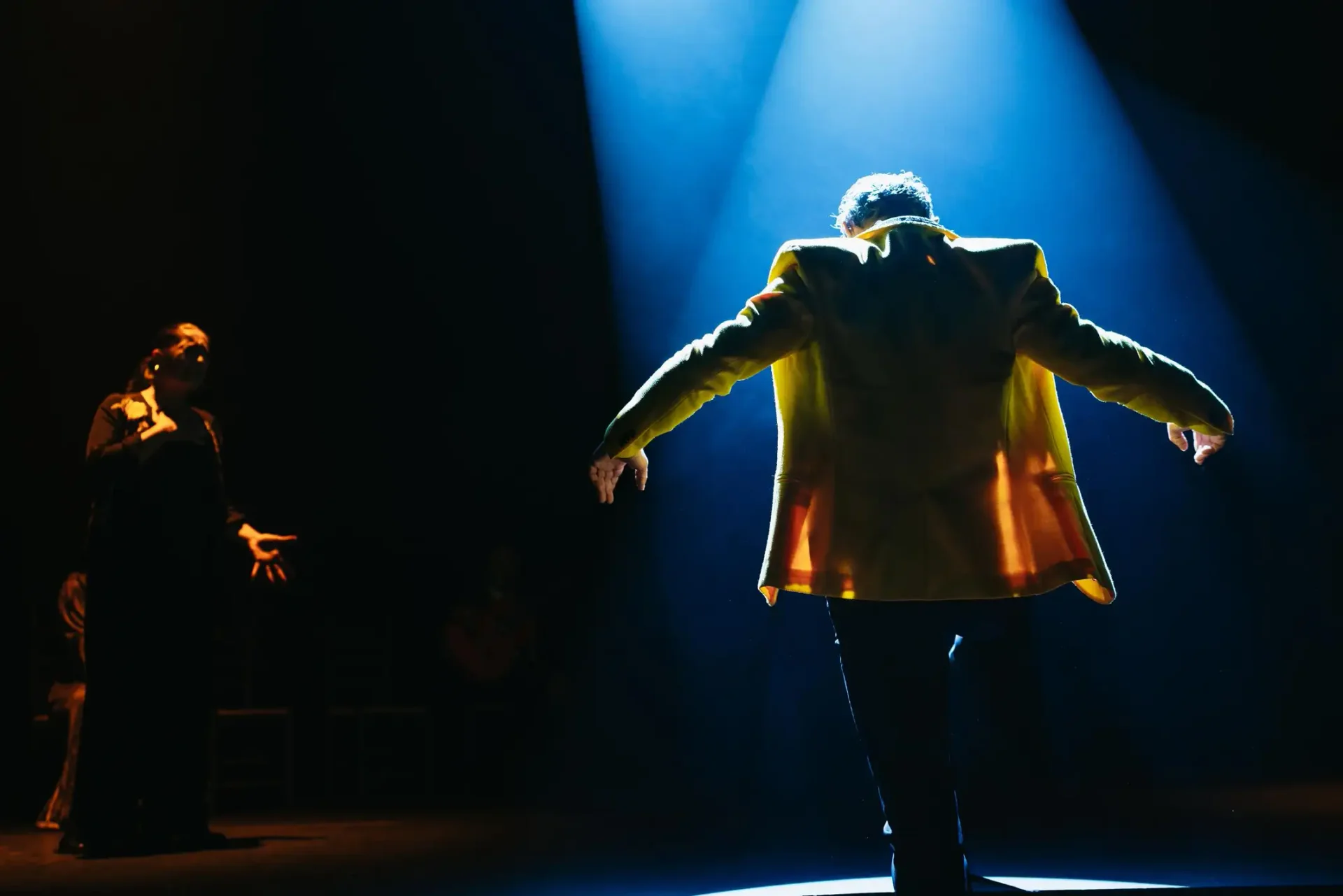
Sevilla is the world capital of flamenco in terms of the artistic scene and the quality of the dancers and singers. To finish the first day with a live flamenco show is the perfect brooch for a monumental day.
Seville: Flamenco dance live in the theater - 1 hour pure show in one of the best flamenco theatres in Seville. More than 16,044 reviews with 4.7 rating. From 23 €.
To choose well from all flamenco options in Seville, read our complete guide: Flamenco in Seville: how to choose the best show and where to book tickets.
DAY 2 - El Guadalquivir, the Palace of the Dueñas and gastronomy
9: 30 - Cruise by the Guadalquivir at dawn
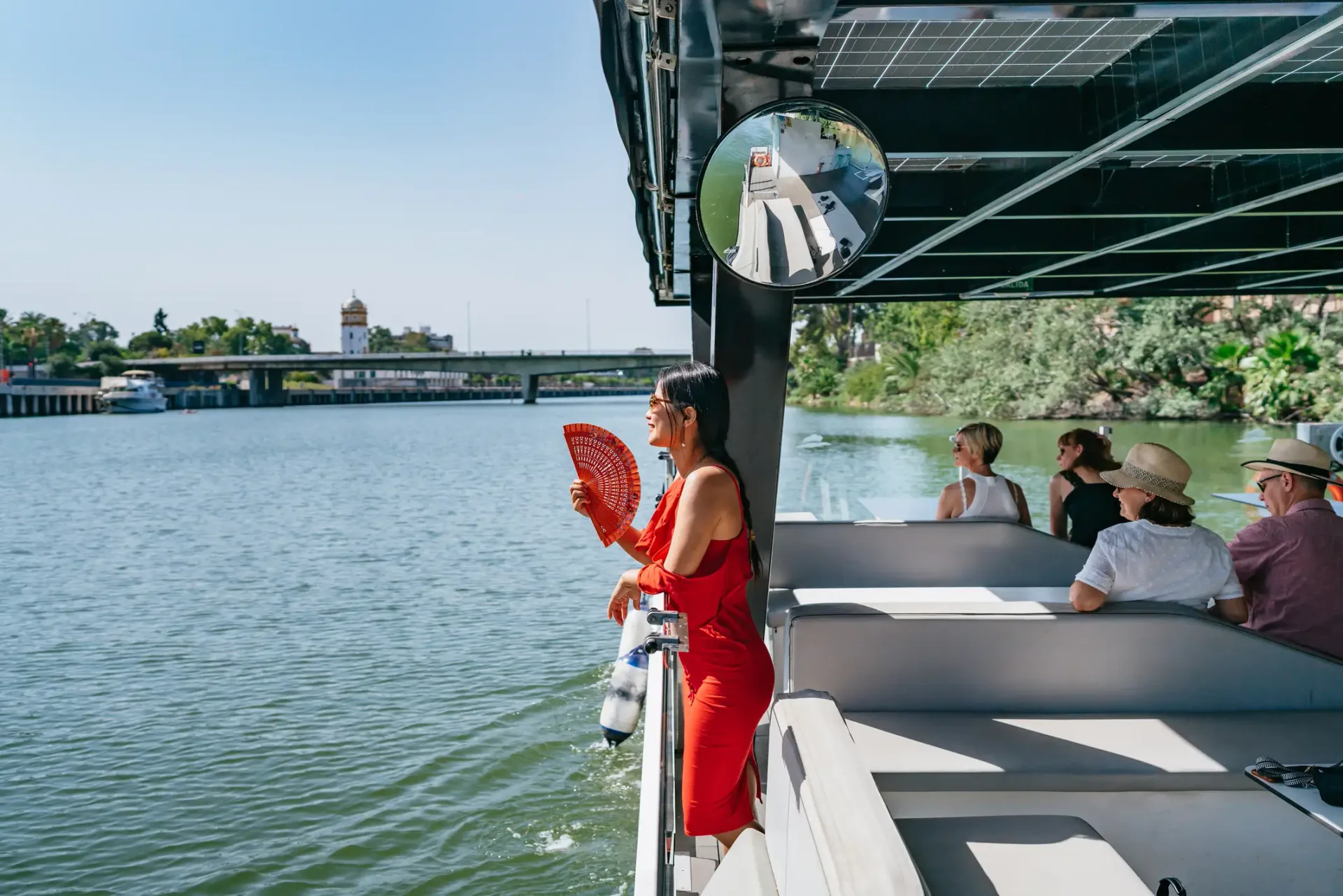
Seville is the only European capital with active river port (the Guadalquivir is navigable to Seville from the Atlantic) and to see the city from the river gives a completely different perspective to that of the land. The first hours of the morning have a golden light on the Golden Tower, the gardens of the Alcázar and the historic centre that is of exceptional photographic quality.
Sevilla: Organic Cruise 1 hour by the Guadalquivir - 1 hour sailing the Guadalquivir with explanations about the history of the river and the city. One of the most pleasant and economic ways to see Seville from the water.
For more information, read our guide: Cruise Guadalquivir Sevilla: guide and tickets.
11: 00 - Palace of the Dueñas: the best kept secret of Seville
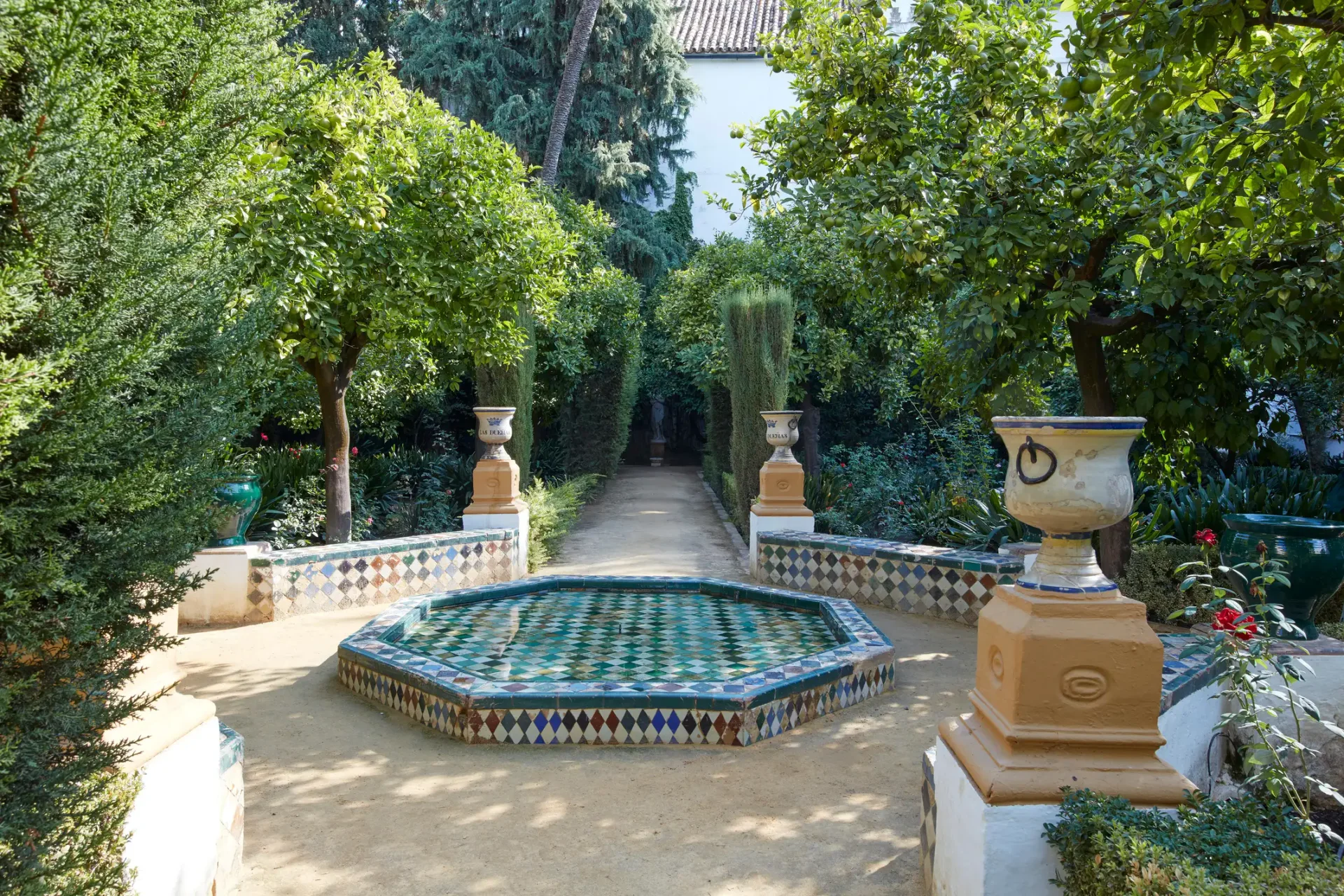
The Palace of the Owners is the best kept secret of Seville among travelers. The 15th century Renaissance Palace, which was the residence of the Duques de Alba for centuries (and remains today), opened to the public in 2016, revealing one of the most impressive collections of art, ceramics and gardens in Andalusia in an architecture that combines Gothic, mudejar and Renaissance with extraordinary harmony.
The palace is also the place where Antonio Machado was born in 1875 (the most important poet of the Generation of 98 was the son of the palace administrator). A palace room is dedicated to your memory.
Ticket and audio guide of the Palace of the Dueñas - Access to the palace with audio guide in several languages. More than 3,013 reviews with 4.7. From €14.
13: 00 - The Plaza de España and the Park of Maria Luisa
The Plaza de España is the most impressive architectural work in Seville after the Alcázar. Built for the Ibero-American Exhibition of 1929, it is a half-circle of 170 meters in diameter with a boat channel, ceramic bridges, tiles with maps from all the Spanish provinces and an architecture that combines Andalusian regionalism with baroque in a monumental way. It is the most filmed stage in Seville (it appears in Star Wars, The Young Pope, Lawrence of Arabia...) and one of the most photographed squares in Spain.
The Parque de María Luisaadjacent to the Plaza de España, is the green lung of Seville: 34 hectares of gardens with ponds, fountains, loose peacocks and some of the best shadow banks in the city for the noon rest.
15: 30h - Gourmet tour or a Sevillian kitchen class

The second day of the afternoon is the perfect time to deepen the Sevillian cuisine, which is one of the richest and most interesting in Andalusia. A guided gastronomic tour or a kitchen class with a visit to the Triana market are the most memorable ways to take you a gastronomic memory of Seville:
Sevilla: Priority access Cathedral Tour, Giralda and Alcázar - For those who want to complete the Alcázar and the Cathedral with guidance if they could not the day before. From €54.
From Seville: a day trip to the King's Walk - If you want to add an excursion to the King's Walk as the second day from Seville. 12 hours, from €89.
18: 00 - The neighborhood of Santa Cruz at sunset and last night
The last walk of the weekend is the most intimate: the Barrio de Santa Cruz at the time when the Andalusian sunset light turns the facades into gold and the shadows of the streets stretch over the cobblestones. The Plaza de Doña Elvira, Water Street (the walk by the Alcazar wall) and the Venerable Hospital are the corners that remain in memory.
The last dinner in Seville deserves to be in one of the restaurants of the Barrio de la Macarena or in the Alameda, far from the most tourist circuit: the stew bull tail, the salmorejo with egg and ham, the spinach with chickpeas (the most genuinely Sevillian convent dish) and a glass of Manzanilla de Sanlúcar are the perfect closing for a weekend in the Andalusian capital.
What you can do in 2 days and what you can't.
What you can do in 2 days
Full Alcazar (palace + gardens)
- Cathedral + Giralda
Ο Barrio de Santa Cruz
Pages of Seville
Por Triana y el Guadalquivir
- Plaza de España
- Palace of the Owners
- Flamenco show
 Tapas in the bars of life
What you'd need more days to see well
- Museum of Fine Arts (one of the best in Spain outside the Prado)
The Archive of Indias (the world's largest historical archive on colonial America)
- The Basilica of the Macarena and the neighborhood of the same name
- Excursion to the Caminito del Rey from Seville
- Excursion to Córdoba from Seville
Italica (the Roman city 9 km from Seville, with the largest amphitheater in Spain)
If you have 3 days, read our full itinerary of Seville in 3 days that adds everything that doesn't fit.
Practical tips for the weekend in Seville
How to move around Seville
The historic centre of Seville is perfectly walking: from Alcázar to the mushrooms are 15 minutes on foot; from the mushrooms to the Plaza de España, 20 minutes. The tram (T1 line) links the Alameda with the San Sebastián Prado in 10 minutes. For the Plaza de España and the Parque de María Luisa, the walk from the center (30 minutes) is pleasant if it is not too hot.
The Bicycle in Seville
Sevilla has one of the most extensive bike lane networks in Spain and the Sevici municipal bike service is available for visitors with a short card. To travel the distance Alcázar-Triana- Plaza de España by bike is a pleasure, especially at first hour of the morning or at sunset.
Where to stay
Historical center / Santa Cruz: the most practical for the 2-day itinerary. All walking. Higher prices.
Triana: the most authentic neighborhood, with the Guadalquivir ahead. 10-15 minutes walk from the historic centre.
Alameda de Hercules: a quieter and more local alternative. Good prices and neighborhood environment.
Estimated budget for 2 days
Sevilla is one of the most affordable cities on the Spanish tourist circuit. Tickets to the main monuments (Alcázar + Cathedral) are around €35-40 per person. Flamenco, between 23 and 60 €depending on the option. Medium range accommodation between 80 and 150 €/ night. Meals in restaurants of average price between 20 and 35 €/ person. In total, a full weekend in Seville (2 nights, tickets, flamenco and meals) can be between €250 and €450 per person.
Related articles from FeelRoute blog
Seville in 3 days: full itinerary, necessary tips and experiences - If you have one more day, this is the guide.
Excursions from Seville: the best one-day tours in Andalusia
Frequently asked questions about Seville in 2 days
Is it enough with two days to see Seville?
With 2 days well planned you can see the main monuments (Alcázar, Cathedral, Stas), the most important neighborhoods (Santa Cruz, Triana) and have time for tapas and flamenco. What you can't do in 2 days is explore the Museum of Fine Arts, the Macarena district, Italica or take excursions to the surroundings. That's why you'd need at least 3-4 days.
How much does it cost to enter the Alcázar de Sevilla?
The general entrance to Real Alcázar costs from 20 €. There are free children under 16 years of age, persons with disabilities and residents of Seville (with NID). On Monday from October to December the entrance is free from 16: 00 to 17: 00 for all (with long tails). Book always online in advance.
What is better to see first, the Alcázar or the Cathedral?
The Alcázar first, first thing in the morning (9: 30h), when it has fewer people and the light in the gardens is spectacular. The Cathedral later (11: 30h-12: 30h), when the Alcázar has already taken out the first groups. If you book the package combined with a guide (Cathedral + Giralda + Alcázar), the operator manages the optimal order.
Can Seville be made without guidance?
Yes, perfectly. The Alcázar and the Cathedral are accessible independently and have well-made signage. The Alcázar has an audio guide available on site. For the Santa Cruz district and Plaza de España you do not need guidance. Where it provides the most guidance is within the Alcázar (the history of the different kings who extended it is very complex) and in the Cathedral (the artistic details of the major altarpiece require context).
Do you need to book the flamenco of Seville in advance?
On Easter, July, August and the national bridges, the best shows are exhausted days in advance. In the rest of the year, with 24-48 hours it is usually enough, but online booking always guarantees the seat you want and the time that best suits you.
When are the monuments of Seville more filled?
Easter and the spring bridges are the most complicated moments. July and August have many tourists but the Sevillans are on vacation outside, so the local environment disappears. On the weekends of October, November and March are the most pleasant: perfect temperature, less tourists and maximum local environment.
Conclusion: 2 days in Seville that stay forever
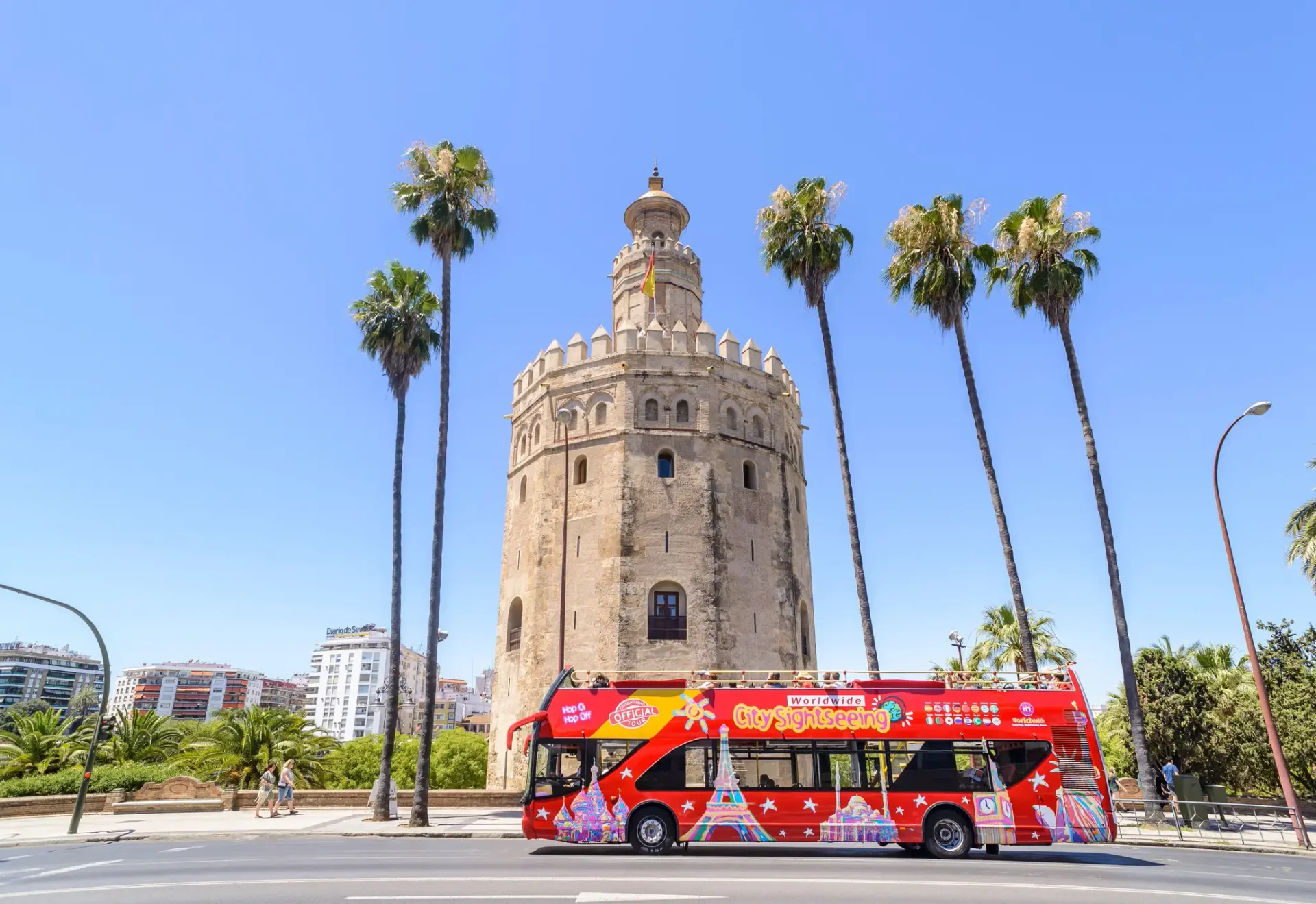
Seville is one of those cities that don't let you go. Two days are enough to understand why so many people come back year after year: there is something in the Andalusian light on the tiles of the Alcázar, in the smell of the azahar of the oranges of Santa Cruz, in the zapateo resonating in a tablet of Triana and in the reflection of the Giralda in the Guadalquivir at sunset that is installed in the memory in a way that is hardly explainable.
If you follow this itinerary, book the Alcázar and flamenco in advance and allow yourself to lose yourself without a map in the streets of the Jewish quarter at least an hour, you will take an image of Seville that no conventional guide can give you.
Ready to plan it? Discover all available tours and experiences in Seville in FeelRoute with free cancellation and instant confirmation.


