

Madrid is a city that does not stop. A capital that combines world-class museums with centenary taverns, large avenues with hidden squares, imperial history with a nightlife that begins when the rest of Europe already sleeps. If you have three days to discover Madrid, you are facing the perfect amount of time: enough to see the essential, to know their neighborhoods calmly and to take a real picture of the largest city in Spain.
This guide to Madrid in 3 days is designed to make use of every hour without being exhausted. With a clear itinerary, the best experiences reserved in advance and advice from someone who knows the real city. We started.
Why Madrid deserves at least 3 days
Madrid is the most visited city in Spain along with Barcelona, yet many travelers treat it as a scale or spend a hasty weekend. Wrong. Madrid has three art museums among the most important in the world (the Art Triangle: Prado, Reina Sofía and Thyssen), a monumental historical heritage, neighborhoods with their own identity and a gastronomic scene that in recent years has placed the capital on the international culinary map.
With three days you have time for:
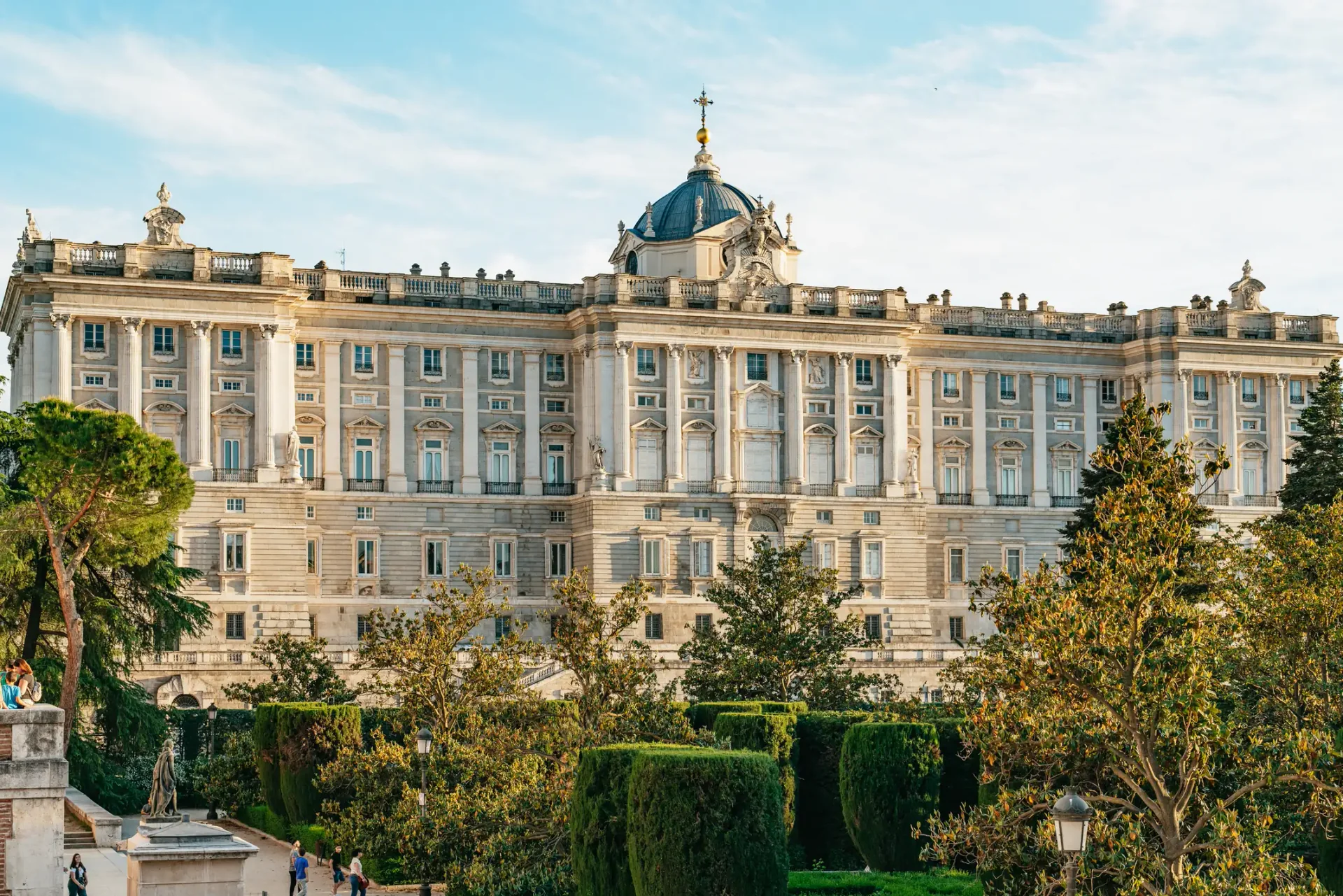
Visit the Royal Palace and the historic Madrid of the Austrias
Walk the Prado Museum with peace of mind
Discover Queen Sofia and Thyssen- Bornemisza
Walk through Retiro Park and Salamanca area
Explore the districts of Malasaña, Chueca and Lavapiés
Watch a live flamenco show
Take a day trip to Toledo or Segovia
What you need to know before you get to Madrid
When it is best to visit Madrid
Madrid has an extreme continental climate: very hot summers (July and August can exceed 38 ° C) and cold winters with snow possibility. The ideal time to visit the city is the spring (March-May) and autumn (September-November), when the temperatures are pleasant and the influx of tourists is more manageable than in summer.
The months of December and January have their own charm: the Christmas lights in Gran Vía and the festive atmosphere of the squares make Madrid a particularly welcoming city in winter.
How to move through Madrid
Madrid has one of the best meters in Europe: wide, clean, timely and economic. The rechargeable transport card (Multi Card) is essential for any visitor who wants to move with comfort. The days 1 and 2 of this itinerary are completely walkable if you stay in the center, but the subway saves you in long distances and when the heat is tight.
Where to stay in Madrid
Historical center (Sol, Austrias, La Latina): best to make the Day 1 visits on foot. Animated atmosphere and varied price.
Gardens / Barrio de las Letras: very close to the Triangle of Art and with good nightlife.
Malasagna / Chueca: trendy neighborhoods, amazing restaurants and cosmopolitan atmosphere.
Salamanca: The most elegant neighborhood, perfect for travelers looking for luxury and design shops.
Itinerario Madrid 3 days: day to day
Day 1 - Historical Madrid: Austrias, Royal Palace and Prado
On the first day we started with the historical essence of Madrid: from the medieval origins of the city to the colossal Royal Palace and the most important museum in Spain.
Tomorrow (9: 00h - 13: 30h): Madrid de los Austrias and Palacio Real
It starts at Plaza Mayorthe symbolic heart of Madrid since the 17th century. Its 237 meters long surrounded by porticos and uniform balconies give you a first powerful impression of the city. Have a coffee on any of the terraces if the schedule allows you, and check out the fresco of the House of the Bakery.
From the Plaza Mayor, walk to the Plaza de la Villa (former headquarters of the City of Madrid, with buildings from the 17th century) and continues until the Cuesta de la Vegafrom where you will see the remains of the Arab wall of the 9th century, the oldest origin of the city.
Then it goes up to the Eastern Square and the Royal Palace. It is time to book the visit in advance so as not to waste time in queues.
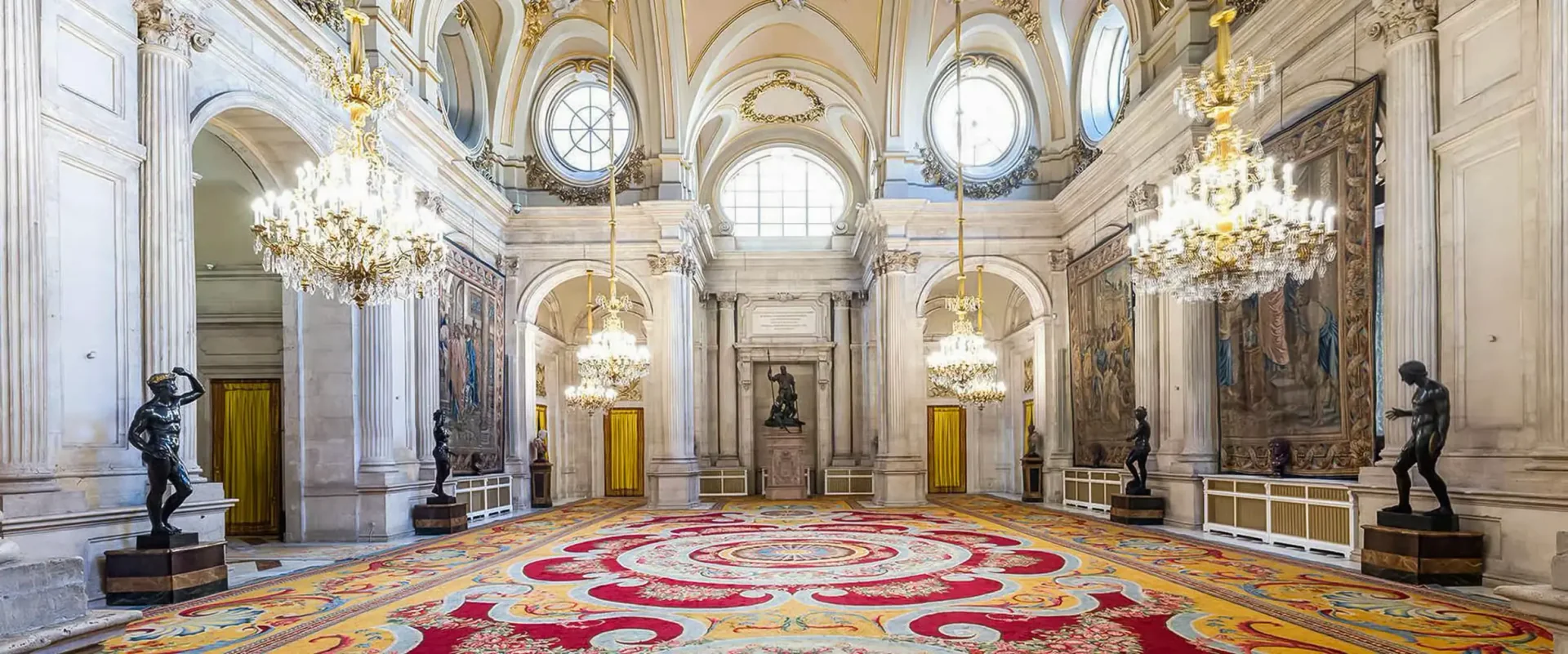
The Royal Palace of Madrid is the largest palace in Western Europe on the surface, with 135,000 m ² and more than 3,000 rooms. Official residence of the Spanish Crown (although kings do not live here), it keeps an extraordinary artistic collection: paintings of Velázquez, Goya, Caravaggio and Rubens; porcelain of the Real Factory of the Good Retiro; royal armory with unique pieces in the world.
At FeelRoute you have two options to visit the Royal Palace without waiting:
Madrid: Quick entry ticket to the Royal Palace - Jump the tails and get in your beat, from 22 €.
Madrid: Expert Guided Visit to the Royal Palace with Skip-the-Line - 2 hours with expert guide that explains each room in detail. From 33 €, with over 8,000 positive opinions.
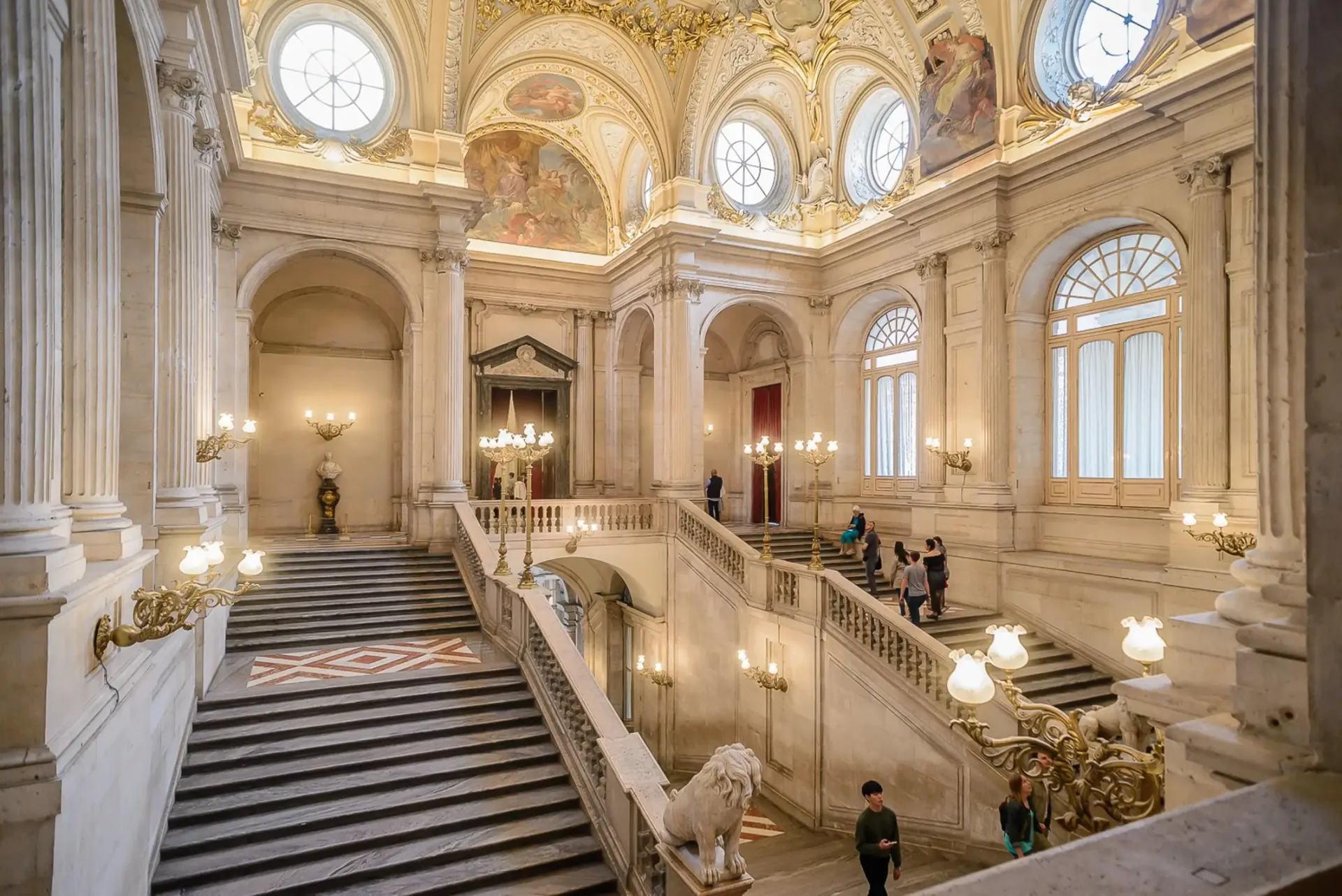
- Council: After the Royal Palace, take the Sabatini Gardens (free entrance, overlooking the Palace) and the Campo del Morothe rear gardens that very few tourists visit.
Midday (13: 30h - 15: 30h): Market of San Miguel or La Latina
Five minutes from the Royal Palace is the San Miguel Market, a modernist iron market of the 20th century turned into a high-level gastronomic space. Perfect for bites of several places: oysters, Iberian ham, croquettes, cod, wines for drinks. It's not cheap, but it's a unique and very comfortable experience for travelers who go with the right time.
The most authentic and economic alternative is the Latin, a few minutes walk: Cava Baja Street is the most famous tapas street in Madrid, with dozens of taverns that have been open for decades.
Afternoon (16: 30h - 20: 00h): The Prado Museum
The Prado Museum is, without discussion, one of the three best art museums in the world along with the Louvre of Paris and the Uffizi of Florence. More than 8,000 works in permanent exhibition, including the largest collection of Spanish painting in the Golden Century.
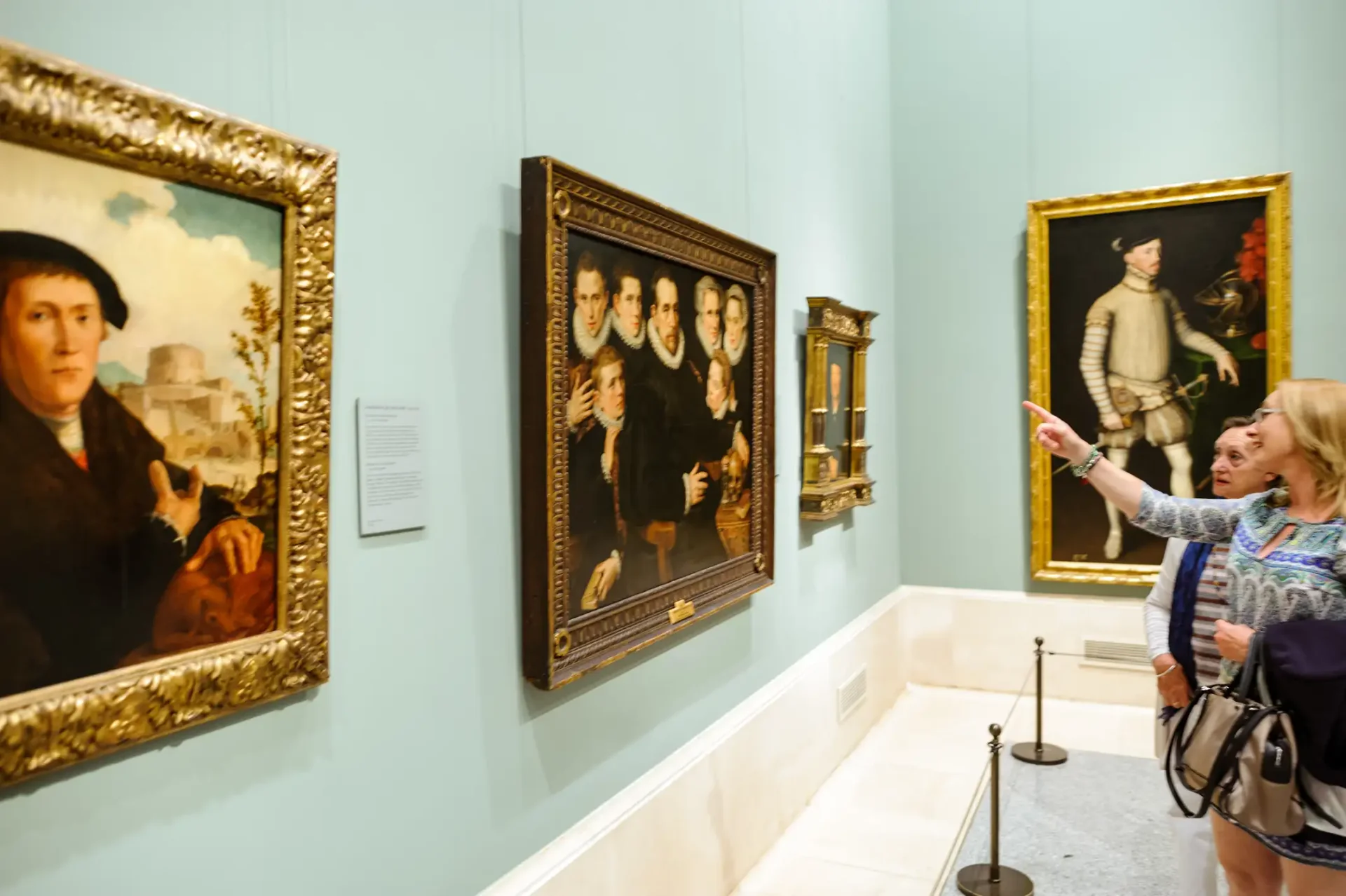
The works you can't miss: The Menines de Velázquez (the most important work of Spanish painting), The naked mash and The May 3 shooting of Goya, The garden of delights of the Bosco and the portrait of Charles V in Mühlberg of Tiziano.
Book your entry in advance to avoid queues:
Madrid: Museum of Prado entrance - Access all day, from 18 €. More than 20,000 opinions with an assessment of 4.6.
- Council: The Prado has free access every day from 18: 00h to 20: 00h (Monday to Saturday) and from 17: 00h to 19: 00h on Sundays and holidays. However, in those hours the tail can be long. If you want to see it calmly and unabated, book the afternoon entrance (16: 30h) and you will have two hours before the free access to see the quieter rooms.
Night: Dinner in gardens and first night in Madrid
The district of Huertas (also called Barrio de las Letras) is the neighbor of the Prado and one of the most animated in Madrid for dinner and a drink. Beer with over 100 years of history, market restaurants and taverns where all-life madrileños continue to go to dinner. A perfect first night to feel the real pulse of the city.
Day 2 - Queen Sofia, Retiro, Thyssen and Flamenco
On the second day we dedicated it to contemporary art, to the most loved park in Madrid and to one of the most authentic cultural experiences: live flamenco.
Tomorrow (9: 30h - 13: 00h): Reina Sofia Museum
Five minutes' walk from the Prado is the National Museum Reina Sofia Art Center, the great Spanish contemporary art museum. The permanent collection includes works from the 20th and 21st century, but the reason most people come is to see a single painting: the Guernica from Pablo Picasso.
The Guernica, painted in 1937 in response to the Nazi bombing of the Basque city during the Civil War, is one of the most important and recognizable works of art of the 20th century. See the picture in person, with its almost 8 meters long, is a completely different experience to see it on a screen.
The museum also keeps an impressive collection of Miró, Dalí, Tàpies and artists from the 27 Generation.
Madrid: Ticket to the Reina Sofia Museum - From only 12 €. One of the best-valued tickets in Madrid.
Midday (13: 30h - 15: 30h): Paseo del Retiro
The Retiro Park, declared a World Heritage Site by UNESCO in 2021, is the green lung of Madrid and the place where the Madrileños are going to disconnect. With 118 hectares, it has lake with oars, formal gardens, the Palacio de Cristal (free exhibition room), the Forest of Remembrance and dozens of quiet corners.
Eat on one of the terraces of the park or in the restaurants of O'Donnell Street, which borders the southern side of the Retiro.
Afternoon (16: 00h - 19: 30h): Thyssen-Bornemisza and Barrio de Salamanca
Complete the Art Triangle with the Thyssen- Bornemisza Museum, right in front of the Prado. If the Prado is the history of Spanish painting and the Queen Sofia contemporary art, the Thyssen is the complete history of Western art: from the early Flemish of the 14th century to American pop art, through impressionism, expressionism and surrealism.
After the museum, take a walk through the Salamanca district: the most elegant area in Madrid, with the best Spanish and international fashion shops and some of the most exclusive terraces in the city.
Night: Flamenco Show in Madrid
Madrid is one of the best cities in Spain to watch live flamenco. Unlike Seville or Granada, where flamenco has a more folklore origin, Madrid flamenco has absorbed influences from all over the country and has an extraordinary artistic level.
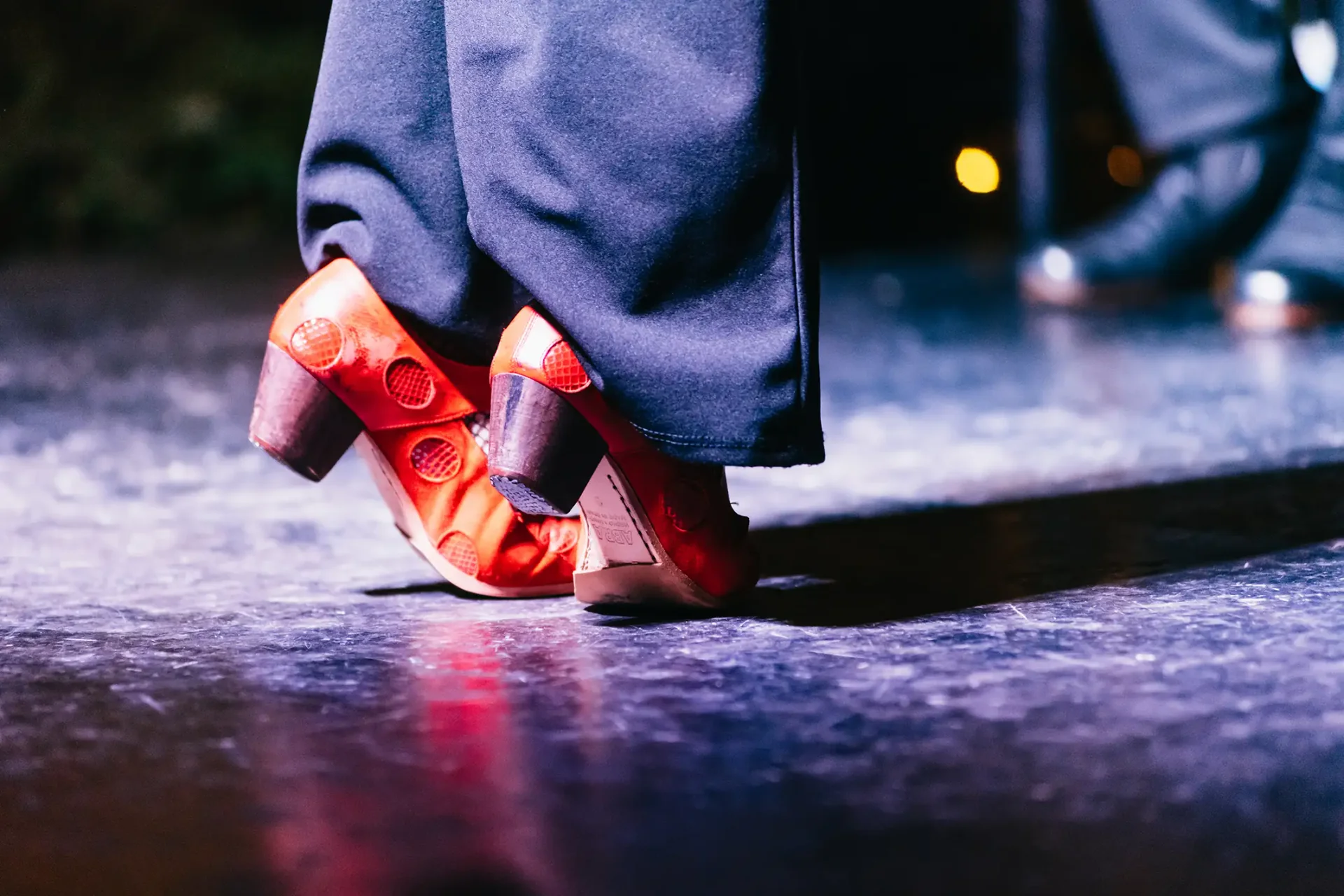
The full experience includes dinner and show in the same space. Book in advance because these shows are filled:
Madrid: Flamenco Show in Direct with Food and Drink Options - 1 hour pure show with dinner and drink options included. More than 9,800 reviews, from 28 €
Day 3 - Gran Vía, alternative neighborhoods and excursion or Bernabéu
On the third day you have two options according to your interests: stay in Madrid to explore the most current neighborhoods and make some outstanding visit, or take a day trip to Toledo or Segovia. Here we introduce you both.
Option A: Urban and contemporary Madrid
The day begins in the Great Way, the Madrid Broadway: a monumental avenue opened in 1910 with art-déco buildings and impressive modernists, shops, musical theatres and the most electrical energy of the city. Don't miss the Metropolis building (corner with Alcalá), the Telefónica building and the Capitol.
If you prefer to discover Madrid from another perspective, the Tour of the city on the Panoramic Route gives you an overview of the neighborhoods and monuments you would not get on foot. Ideal for the third day, when you already have references from the previous days.
Or if you're looking for something more intimate and original, the Private tour of Madrid in organic tuk-tuk it is one of the best valued in the city (4.9 with more than 3,400 reviews): it travels the historical neighborhoods in a quiet electric vehicle, with private guide and at your own pace. From 23 €.
In the afternoon, explore the neighborhoods of Malasagna and Czech. Malasaña is the most bohemian and alternative neighborhood in Madrid: vintage shops, second-hand bookshops, charming cafes and the best live music scene in the city. Chueca is the most famous LGBTQ + neighborhood in Spain and one of the most vibrant in Europe, with a spectacular gastronomic offer and unique energy.
If you are a football fan, the third day is ideal for visiting the world's most famous stadium:

Madrid: Access ticket for the visit to the Bernabéu - The stadium of Real Madrid with its new retractable dome is one of the most impressive stages in the world. 1.5 hours of visit, over 21,000 reviews, from 35 €
Option B: Day trip to Toledo and / or Segovia
If you already know Madrid or prefer to spend the third day exploring the surroundings, the excursions to Toledo and Segovia are the best options since the capital.
Toledo is the former imperial capital of Spain, declared World Heritage. The "City of the Three Cultures" concentrates in its medieval historical centre a monumental Gothic Cathedral, medieval synagogues, reconverted Arab mosques and the legacy of the painter El Greco, who lived here all his adult life.
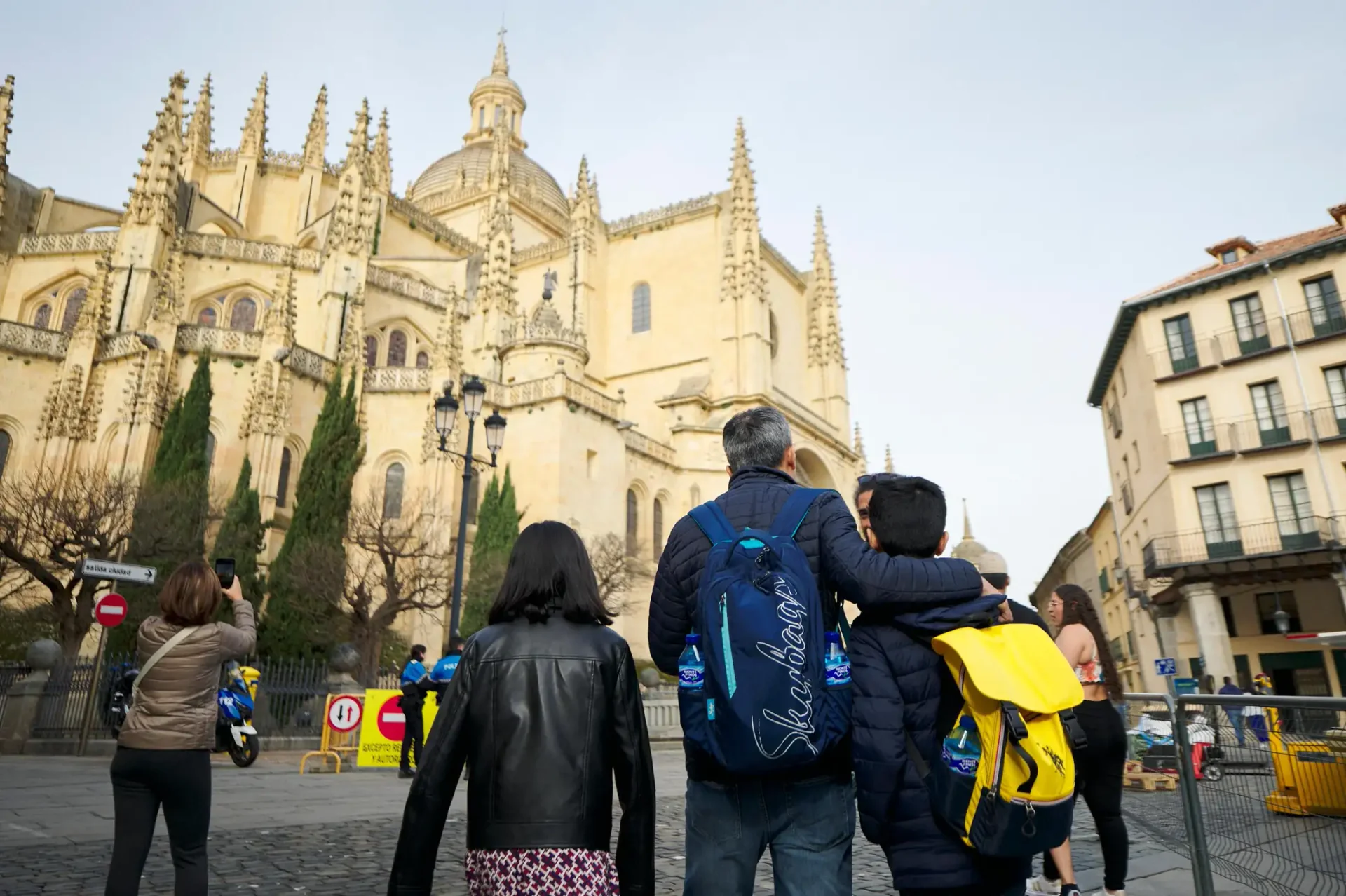
Segovia has the best preserved Roman aqueduct in the world (2,000 years of history without a single drop of argamase), an Alcázar that seems to be drawn from a fairy tale and inspired the Disney Cinderella Castle, and a 16th-century Gothic Cathedral of enormous beauty.
Madrid: Visit to Segovia and Toledo, Alcázar and Cathedral - 12-hour combined tour including both cities, guide and transport. More than 7,500 reviews with 4.7 rating. From 40 €.
For more options for excursions organized from Madrid, see our full guide: Excursions from Madrid: the best one-day tours near the capital.
The Triangle of the Art of Madrid: a quick guide to the three museums
Madrid is lucky to concentrate on less than a square kilometre three art museums among the most important in the world. We briefly explain to you what to see in each to optimize your time:
Prado Museum
The most visited museum in Spain with more than 3 million visitors a year. Specialized in European painting between the 12th and 19th centuries, with the largest collection of Spanish painting from the Golden Century. Unbreakable: Velázquez room (Meninas, La rendimiento de Breda), Goya room (black paintings, real portraits) and El Bosco room (Garden of delights). Buy your ticket here from 18 €.
Reina Sofia Museum
20th century Spanish art with Guernica as an undisputed star. The collection also includes works by Joan Miró, Salvador Dalí, Juan Gris and international artists such as Francis Bacon. The building itself, a former 18th-century health institution extended by Jean Nouvel, is a work of extraordinary contemporary architecture. Book your entry here from 12 €.
Thyssen-Bornemisza Museum
The most important private collection in Europe, purchased by the Spanish State in 1993. It covers the whole history of Western art from the early Flemish to pop art, including French impressionism (Monet, Renoir), German expressionism, surrealism (Dalí, Magritte) and a spectacular set of 20th-century American art.
Gastronomy in Madrid: what to eat and where
Madrid does not have a unique star dish such as the Valencian paella or the Andalusian gazpacho, but it has a gastronomic scene that in recent years has made it a world reference. These are the essential:
Caraway: The most iconic dish in the city. A chickpea stew with chorizo, morcilla, bacon and meats that is served on three rolls and is a complete meal in itself. The season is April.
Cramp horn: an absolute classic of Madrid. Sluts bounced in bar bread, no more. It sounds simple; it's addictive. The best in the bars of Plaza Mayor and surroundings.
Chocolated churches: the breakfast or snack of Madrid par excellence. The San Ginés Chocolate, opened since 1894, is the most famous, although the tails can be long.
Vermut in Latin: the Sunday vermu ritual (which begins on Saturday in Madrid) consists of a vermut with olives and a skewer on some terrace of the neighborhood. One of the most beloved traditions in the city.
Practical tips to visit Madrid in 3 days
Transport
The subway is the best choice for long distances. For the historical center, Huertas, La Latina and Gran Vía, everything is walking. Uber and Cabify work perfectly and are cheaper than taxis on many routes. The electric skates (Lime, Tier, Voi) are all over the city and are a very practical option for medium distances.
Security
Madrid is a very safe city in general terms, but as in any large European capital, we must be careful with the carterists in very tourist areas: Plaza Mayor, Puerta del Sol, Metro de Sol and the Prado environment. It has documentation and cards in an inside pocket or closed bag.
Estimated budget
Madrid is more expensive than Seville or Granada, but more economical than Barcelona or San Sebastián. A traveller with a medium budget can plan between €100 and €150 per person per day (medium-range accommodation, museums, a couple of restaurants and an extra experience).
The Madrid Card
If you plan to visit many museums and use public transport intensively, the Madrid Card (available for 1, 2, 3 or 5 days) can be more economical than paying for each single entry. It includes entrance to the Prado, Reina Sofia, Thyssen and many more, more unlimited transport.
Madrid in 3 days with children
Madrid is an excellent city to visit with family. These are the most recommended points if you travel with children:
Retiro Park: boats on the lake, games parks, street shows on the central promenade.
Museum of Natural Sciences and Air Museum: ideal for the most curious.
Zoo Aquarium de Madrid: one of the largest in Spain.
Warner Bros. Park: 30 km from Madrid, Spain's largest theme park.
Visit to the Bernabéu: if there are football fans in the family, the visit to the stadium Santiago Bernabéu It's a plan that loves children and adults.
Related items that may interest you
If you are planning your route to Spain, these FeelRoute blog articles will help you complete your itinerary:
Frequently asked questions about Madrid in 3 days
Is it enough with three days to see Madrid?
Three days is the minimum recommended time to see the essentials of Madrid with some calm. With three days you can visit the Royal Palace, the three great museums of the Triangle of Art, the Retiro, several neighborhoods and take a day trip. To see Madrid in depth, you would need at least a week.
What is the most important museum in Madrid?
The Prado Museum is the most important in Spain and one of the three or four best in the world. If you only have time for one, that's it. But if you have the three days of the itinerary, it is also worth the Queen Sofia (for the Guernica) and the Thyssen (for the breadth of his collection).
Is it worth visiting the Bernabéu even if it is not Real Madrid?
Yeah. The new Santiago Bernabéu (2023) with its retractable dome and its digital facade is an architectural show on its own, regardless of whether you are a football fan. The visit lasts 1.5 hours and includes access to the country, the changing rooms and the club museum.
How much does it cost to visit Madrid in 3 days?
With medium-range accommodation (70-100 €/ night), museums (between 12 and 35 €per entrance), meals in medium-price restaurants and an extra experience (flamenco, excursion), it estimates between 300 and 450 €per person for 3 full days.
Is Madrid or Barcelona better for a first visit to Spain?
It depends on what you're looking for. Madrid has the best art museums in the country, the most varied gastronomy and the most intense nightlife. Barcelona has the sea, the modernist architecture of Gaudí and a more cosmopolitan Mediterranean environment. If you can, visit both of them on the same trip: they are only 2h 30min away on AVE.
What one day tour is best from Madrid: Toledo or Segovia?
Toledo for the lovers of history, art and medieval architecture. Segovia for those who want to see the Roman aqueduct (essential heritage) in a less massified city with spectacular gastronomy. If you have time, the combined tour Toledo- Segovia in one day is the most efficient option.
Conclusion: Madrid, much more than the capital
Madrid is a city that surprises almost everyone who visits it for the first time. They expect a grey and bureaucratic capital and find a vibrant, open, generous city with the foreign and passionate with its traditions. A city where world-class museums live together with taverns that have not changed since the 19th century, where Europe's most intense night movement was born and where the culture of tapestry remains a sacred social ritual.
Three days is enough to fall in love. If you follow this itinerary and book in advance the most demanded tickets, you will take a complete, honest and memorable view of the best city in Spain.
You ready to plan everything? Discover all the tours and experiences available in Madrid in FeelRoute with free cancellation and instant confirmation.


