

Updated: 2026. This guide is designed for travelers who want book tours and tickets in Spain without improvising, avoiding queues and choosing the right option according to your travel style.
If you have ever reached a top monument and seen an endless tail, you know the problem: in Spain there are destinations where demand is concentrated on very specific stripes (weekends, bridges, Easter, summer, sunsets). The good news is that, with a little method, you can organize in 15 minutes, reserve the necessary and leave the rest for "free mode" without stress.
In this guide you will find:
How to decide if it suits you loose input, audio guide or guided tour.
When to book to secure good times (and not to keep "whatever is left").
How to avoid queues realistically, without weird tricks.
Practical examples by destination with direct links to experiences and guides.
A final check so you don't get away with anything.
Useful shortcut: If you are already clear about the destination, start here and filter by category and dates:
1) Before booking: define your "travel style" in 2 minutes
Most purchase decisions are simplified if you answer these three questions. It's not theory: it's what determines whether you want to pay a little more for comfort or if you have enough of a basic ticket.
Question 1: Is your priority "to see a lot" or "to see well"?
See a lot means optimizing time: tours with closed itinerary, tickets with time, excursions with transport. See well It means enjoying without a watch: free visits, neighborhoods, glances, walks and food with calm. The best planning is usually hybrid: 1-2 "high demand" reserves and the rest leave it flexible.
Question 2: Do you go with little time margin or do you have full days?
When the time is right, the "small delays" become big: subway, queues, orientation, door changes, bathrooms, security... So, on short trips (24-72h) book with time It gives you control.
Question 3: Do you want context (history) or just access?
There are monuments where an explanation changes the experience (and others where you have enough to enter). If you like to understand, a guided tour is usually the best "learning / time" relationship. If you like to go to your pace, the audio guide is balance. If you just want to take a picture and follow, basic entrance.
2) Understand "tickets," "no queues" and "assigned time" (no confusion)
In Spain, many monuments work with capacity + slots. That means that the ticket is not "to enter when you want," but to enter a specific section. Booking before does not only avoid queues: lets you choose time. And that hour decides whether to visit in heat, in agony, or in perfect light.
What does "no queues" really mean?
"No queues" is not always "zero wait." It usually means:
Avoid the box office line (buy there).
You keep going through security control / validation (faster).
In peak hours there may be a short tail, but it's another league.
Lose input vs. input + audio guide vs. guided tour
A clear way to decide:
Free entry: You want to save and you're up to it. Ideal if you know how to get there, you have room and you like to "discover on your own."
Entry + audio guide: You want context without relying on a group. Perfect if you like to go to your rhythm, pause, take pictures, and still understand the essentials.
Guided tour: You want an optimized tour, history and details. Very recommended in first visits and when your time is limited.
Real examples (for you to land):
3) When to reserve (the "first the scarce" rule)
If you want to increase your tranquility and also improve your journey, use this rule:
First you book what has quota and time (the limited). Then you plan the rest around.
The few are usually:
Monuments with access by strip (very typical in top attractions).
One-day excursions with limited squares.
"Star" experiences (flamenco top, sunset cruises, tours in small groups).
And the flexible is usually:
Barrios, squares, walks, outdoor lookout.
Less demanded museums (although always depends on the destination).
Unreserved meals out of peak hours.
A quick example of smart planning (48 hours)
Imagine you're going to Seville for two days. Instead of saying "we'll see," you do this:
Reservations Alcázar and / or Cathedral in the most convenient strip.
You decide a plan for sunset (mushrooms or cruise).
You leave the rest (Triana, Santa Cruz, squares) as a free tour.
To land with guides and links: Seville in 3 days (itinerary and tips).
4) The best hours to visit (and why they affect the memory)
Choosing the time well is one of the decisions that has the most impact on "enjoyment." Not just for tails: for light, temperature and feeling of space. The same visit may feel "meh" or "wow" according to the strip.
Simple rules that usually work
First hour: less people and more fluency. Ideal for monuments and viewpoints.
Last hour: is usually pretty by light (according to destination) but watch that they do not cut times.
Midday: good for interior plans (museums) or to eat calmly.
Sundown: perfect for looking, walking and "performing" experiences.
Example of "time in command": Las Stas de Sevilla. If you want to sunset, don't leave it at random. Practical guide: Stas de Sevilla tickets (schedules and tips).
5) How to avoid queues without obsessing (3 realistic tactics)
Avoid tails is not magic: it is to combine advance purchase, Smart stripe and logistics. These are the three tactics that are most noticed in practice:
Tactics 1: online purchase + assigned time
It's the base. In addition, it prevents you from "coming and there are no tickets left." In destinations like Barcelona, this is very much seen in the Gaudí triangle (Sagrada Familia / Park Güell / Paseo de Gracia).
Useful guides to plan:
Tactics 2: protect your schedule with "margin"
In real life, the margin saves travel. The recommendation is to reach 15-20 minutes before access, especially if there are controls. If you fit it too much into the millimeter, a small delay will ruin your experience.
Tactics 3: combines "a must" with a flexible plan
The feeling of "going late" appears when all day depends on hours. So, the ideal is to book 1-2 activities with time and the rest leave it free. Your journey feels more human and, paradoxically, you see more.
6) Cancellation, changes and policies (what you must always look at)
Policies are not just "small letter": they are what gives you peace of mind when you travel with contingencies. Before booking, always look:
Free cancellation: until when you can cancel at no cost.
What if you're late?: some accesses are strict.
Language: especially in guided tours.
What includes: tickets, audio guide, transport, extras.
Accessibility: if you travel with specific needs.
Real traveler advice: if you have the "open medium" trip (train changes, flights, etc.), prioritize experiences with flexible cancellation. And if a monument is your "top 1," book that first and then the rest.

7) Itineraries 24-72 hours: how to convert reserves into a flowing plan
A good itinerary is not the one that puts more things in, but the one that reduces friction. The trick is to group by zones and leave breathing. Here are three already published guides that can serve as a template (and, by the way, to link between articles):
Quick template to build your itinerary (uncomplicated)
Block A (tomorrow): the most demanded (monument with hour / guided tour).
Block B (noon): food + rest (seriously, this improves the journey).
Block C (afternoon): neighborhood + walk + optional museum.
Block D (night): experience (flamenco, cruise, gastronomy) or simply environment.
Once you have the template, you just fit everything in its block. This avoids the chaos of "see what we do now" and leaves you room to improvise where it is worth it.
8) Practical cases by destination (with links ready to reserve)
We now put it down on the ground with examples of destinations where FeelRoute already has very clear content and experiences. The idea is, if you're reading this, you can jump to the case you're interested in and see what to book first.
Barcelona: Gaudí, neighborhoods and one-day excursions
Barcelona has a typical pattern: 1) Gaudí, 2) Historical center, 3) an excursion If you stay longer than 2 days. What is used up before is the time tickets for the most demanded monuments.
Book "the scarce" first:
Then add "the flexible":
Gothic Quarter + Born + promenade (free plan).
Markets and gastronomy (choose if you want to tour or go on your own).
And if you want a day tour: look at options and choose by style (nature, villages, viewpoints): Day trips (Spain) or the guide Excursions from Barcelona.
Decision-making guides:
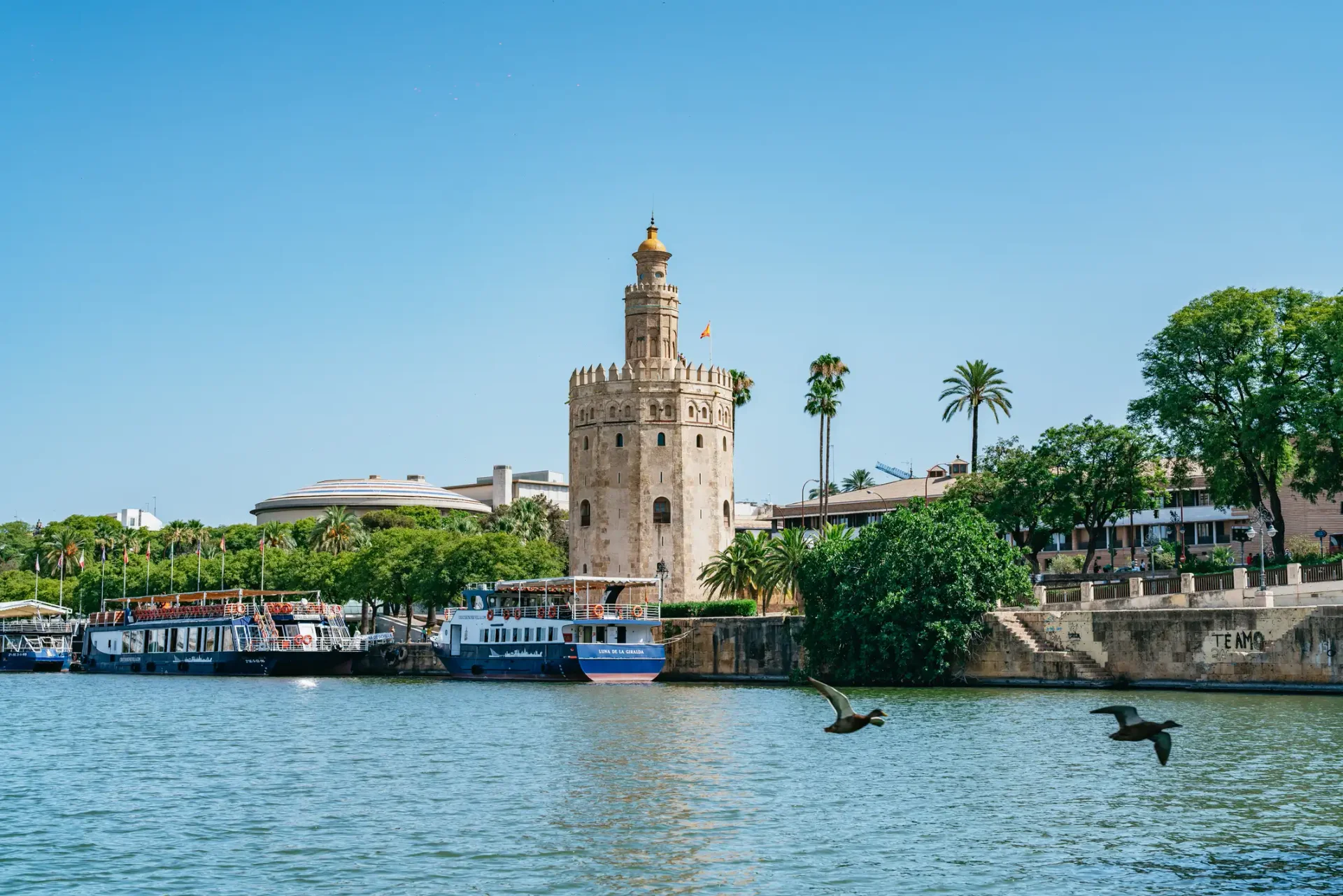
Seville: monuments + night experience (the formula that works)
In Seville, the winning combination for most travelers is: morning monument, walk through neighborhoods in the afternoon and experience at night. What generates the most friction is the tails of Alcázar and Cathedral if you go without a plan.
Book first:
And for the evening / night "wow" experience:
Direct links to experiences:
And if you want to "leave Seville" one day: Excursions from Seville.
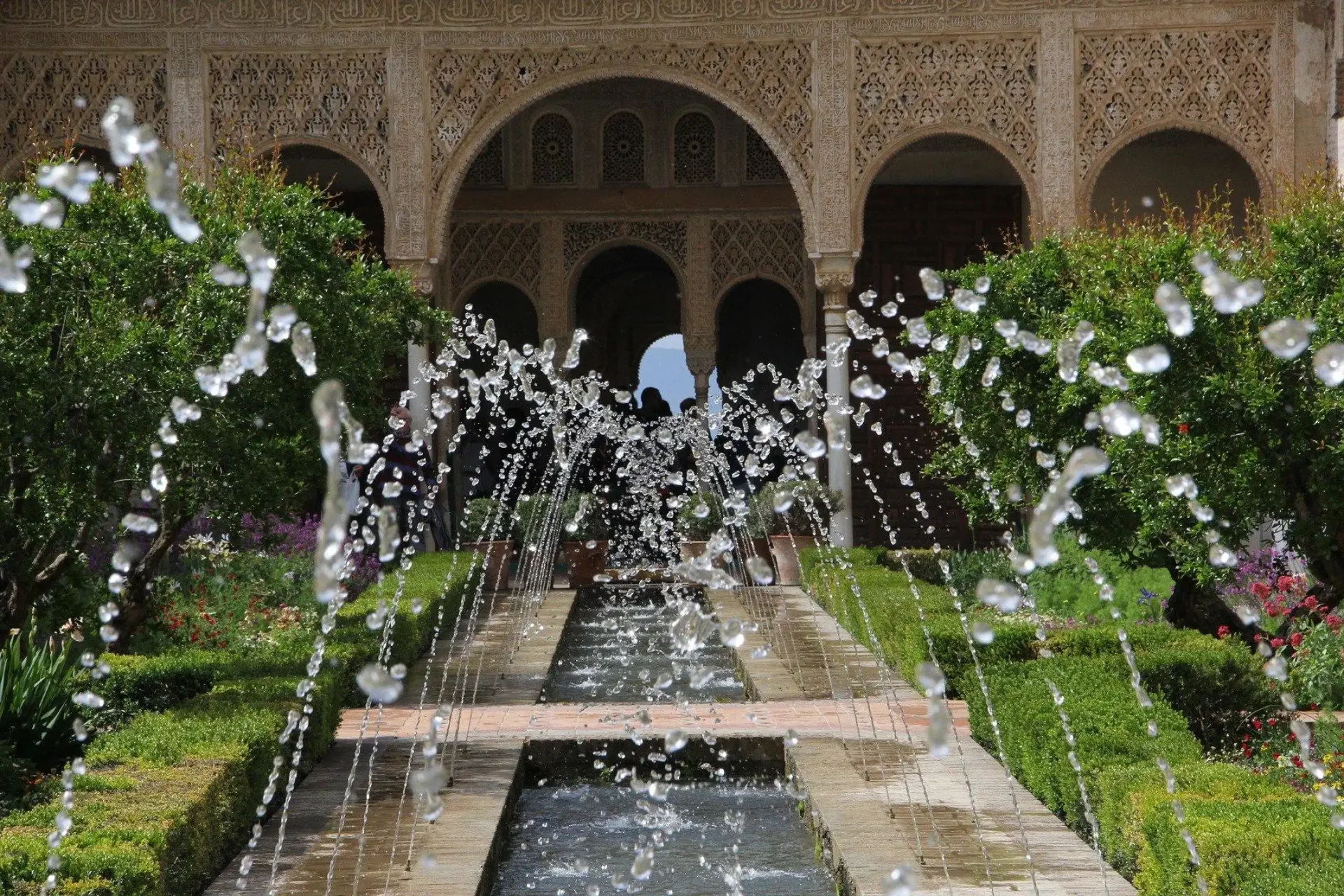
Granada: the Alhambra commands (and the rest is adapted)
In Granada, the Alhambra is usually the "top 1." The typical mistake is to leave it for the end and then have to reorganize everything. If your trip depends on the Alhambra, Start there. and then decides Albaicín, glances and gastronomy.
Existing guide (to link): Alhambra tickets: types, schedules and what to choose.
Experience:
If you want neighborhood route and lookout, you have an interesting article to link from here: Albaicin and Sacromonte at dusk: route and viewpoints.
Malaga: city + a star excursion (Caminito) or villages
In Malaga the formula "2 days city + 1 day excursion" works very well, and so your itineraries are making sense. If you want a tour, the King's Walk is the classic. The most common doubt: free entry or tour?
Guides that already exist (perfect to link):
Direct experiences:
Madrid: walking tours + museums + nearby excursions
Madrid is ideal for walking tours (by neighborhoods and historical center) and to combine with museums. If you like to start "understanding the city," an initial tour saves you time later. And if you like getaway, Toledo, Segovia or Avila are the classic.
Existing article: Free tour Madrid 2026.
Guide for excursions: Excursions from Madrid.
9) How to choose a "good" tour (clear signals before paying)
When there are hundreds of options for the same, the difference between a "right" experience and a "memorable" experience is usually in detail. There is no need to go crazy reading 200 reviews: with these signals you can filter quickly and choose well.
Signal 1: The tour fits your way of travel
If you hate big groups, avoid massive options even if they are cheaper. If you travel with an older person or children, you prioritize shorter tours or with clear stops. If you want to "understand" (not just see), choose a tour with narrative (history + context).
Signal 2: realistic duration (and no traps)
A guided tour of 75-90 minutes can be perfect for a specific monument. A 4-hour walk "city tour" can be too much if it's hot or you're not used to walking. Ask yourself: do I want to walk that time today, or would I rather divide it in two days?
Signal 3: clear meeting point
The good tours usually have easy meeting point (nearby metro, known square) and clear explanations. If the description is confusing, assume that you will arrive with stress. In cities like Seville or Barcelona, it's easy to lose 20 minutes if you're not clear.
Signal 4: guaranteed language
It seems obvious, but it is one of the most common causes of disappointment. Make sure the language you want is available on the strip you are going to book (especially in high season).
Signal 5: Group size
In general, reduced groups improve the experience: you listen well, you can ask and the rhythm is more human. If the price goes up a little, it is usually worth it if it is a central activity of the trip.
Signal 6: includes what you really need
On one-day trips, transport is usually the key. In monuments, the key is usually tickets and time. In night experiences, the key is location and time. Don't pay extra money that doesn't give you anything, but don't be short either if that complicates the logistics.
Signal 7: Cancellation policies and reasonable changes
If you travel with flights, trains or an agenda that can move, flexibility is gold. There are trips that are damaged by a single "rigid" reserve.
Signal 8: the average review is not all
He looks for patterns: people who repeat the word "organization," "punctuality," "of course," "ameno." These are signs of fluid experience. If the reviews complain about "we didn't understand the guide" or "long wait," that's usually repeated.
Signal 9: fits your area itinerary
If your morning is in the historic center, choose a tour that starts / ends nearby. If a plan sends you to the other end, it steals your time of enjoyment. On short trips, this signal is key.
Signal 10: accessibility and rhythm
If you travel with reduced mobility or with a little car, check for levels and restrictions. For example, some routes (type of fencing or catwalk areas) have limitations. Also in historical helmets with cobblestone you can see the shoes a lot.
Signal 11: "what you will see" is well explained
The best tours tell you clearly which places include (and which do not) not to create false expectations. If he only promises "the best," he distrusts.
Signal 12: the tour leaves you air
A perfect tour ends with room to eat, walk or improvise. If it ends just when your next booking starts with time, it increases the risk of going in a hurry. The journey is most enjoyed when the day breathes.
10) Common errors when booking (and how to avoid them)
Error 1: book "the first thing that appears" without looking at time
Time's up. An entry at 14: 30 in August may be worse than one at 09: 00 even if it costs the same. Always choose first strip, then option.
Error 2: Chain without margin
If you book two things in a row with 15 minutes in between, you're likely to be late for one. Between controls, walking and orientation, the margin evaporates.
Error 3: confuse "no tails" with "no control"
Even with digital ticket, there's usually control. You avoid locker, but not access. He arrives early and takes 10-20 minutes of mattress.
Error 4: Buy free input when logistics is complicated
In some experiences (e.g. linear excursions such as nature routes), the logistics of arriving and returning can be the greatest pain. There, paying transport + guide saves you friction and makes you enjoy more.
Error 5: do not review language and duration
Especially in guided tours: language and duration determine whether the experience feels fluid or heavy.
11) Profile tips: families, couples, only travellers and "quiet journey"
If you travel with children
Prioritizes short experiences or with "surprise factor" (viewpoints, boat rides, shows). Book first-minute monuments to avoid heat and tiredness. And it always leaves a block of park / beach or rest. In Malaga, for example, it fits a beach afternoon plan very well after a morning tour.
If you travel in a couple
The best decisions are usually: a powerful cultural visit in the morning and an emotional plan in the afternoon (sunset, cruise, show). In Seville, the Mushroom + Flamenco combo usually works very well. In Malaga, a catamaran at sunset is a round closure.
If you travel alone
Tours are a social shortcut: you know people, you learn fast and you go. A good strategy is to do a walk on the first day (or a free tour) and then decide what to repeat on your own. In Madrid, this logic works especially well to guide you and choose neighborhoods.
If you want a quiet trip (without "marathon tourism")
Book only 1 activity with time per day. The rest: walks, long food, viewpoints, small museums. A quiet trip usually leaves better memories than a trip full of checklists.
(12) Official external links (for safe planning)
In addition to booking experiences, it is sometimes useful to consult official sources for times, time changes or notices. Here are some useful references (official) to plan:
Note: these links are useful for schedules and notices. To compare experiences (guides, transport, cancellation) it is often more practical to do so from booking platforms.
13) Final Checklist: reserve with head (and travel quieter)
If you want to make it quick, check this list before confirming any purchase:
I have chosen the time strip I'm better off (not "whatever's left").
I know if I want to. entry, audio guide or live guide.
- I've read what includes (tickets, transport, language, extras).
I've checked. cancellation and conditions if I'm late.
I have margin to get there and I don't chain impossible schedules.
I have added 1-2 "flexible" plans so that the day is not a race.
I have tickets on my mobile and battery / headphones if there is audio guide.
Frequently asked questions
How many things with time should I book a day?
For most travellers: one in the morning (monument or tour) and, if you want, one afternoon / night (experience). More of that usually makes the day "agenda," and you enjoy it less.
What is better: free tickets or guided tours?
There is no single answer. If it's your first time, a guided tour usually gives you context and efficiency. If you already know the place or like to go at your pace, input + audio guide works very well.
How do I avoid "running" in the city?
Do a very simple thing: group by area and leave a free block (no target) every day. And it avoids fitting food at an exact hour just after a monument with strict schedule.
Where do I find more travel ideas at FeelRoute?
Explore the FeelRoute blog for itineraries, inputs and comparisons, or enters Guides for thematic pages by destination.
Next recommended reading: If you go to Seville, start with Seville in 3 days. If you go to Barcelona, for Barcelona in 3 days. And if you go to Malaga, for Malaga in 3 days.


