

Valencia is the great Spanish city that has changed most in the last 20 years. The same city that in 2001 turned the old channel of the Turia River into the longest urban garden in Europe is the one that today has the second most visited Cathedral in Spain, a gastronomic offer that goes far beyond the paella and a City of Arts and Sciences that is one of the most impressive contemporary architectural sets in the world. If you've been thinking about going to Valencia for a while and you don't know where to start, this 3-day itinerary will solve everything.

Valencia combines what few Spanish cities have: medieval history in the old town, radical modernity in the City of the Arts, beach 20 minutes from the center, world-class cuisine (the paella was born here) and a life rate that does not have the tension of Madrid or Barcelona. Three days is the perfect amount to take you a full and honest picture of the city.
Why Valencia deserves 3 full days
Valencia is the third city in Spain in population and one of the most visited in the Mediterranean, but for years it was in the shadow of Barcelona and Madrid in the international tourist circuits. That time in the shadow has kept it more authentic: the historical neighborhoods have real life beyond tourism, the markets remain of the neighbors and the restaurants where you eat best are not always in the guides.
With 3 days you have time for:
Walk the historic centre: the Cathedral, the Silk Lonja and the Central Market
Visit the City of Arts and Sciences with the Oceanographic
Walk through the Garden of Turia from point to point
Discover the neighborhoods of Ruzafa, El Carmen and Cabanyal
Eating paella in the Albufera or taking a Valencian cooking class
Take an excursion to the thermal waters or to the coast
View the sunset from the beach of Malvarrosa
What you need to know before you get to Valencia
When it is best to visit Valencia
Valencia has a privileged Mediterranean climate: more than 300 days of sun per year and mild temperatures even in winter (rarely falling from 10 ° C). The spring (March-May) It is the most spectacular time thanks to the Fallas: the largest and noisy festival in Spain, declared Inmaterial Cultural Heritage of Humanity by UNESCO, which makes Valencia an unrecognizable city during the second week of March.
The autumn (September-November) is ideal for those who seek tranquility and good weather without the extreme heat of summer. The Valencian summer (July-August) can be over 35 ° C and the beaches are filled, but the city has a lot of charm also on those dates if you know where to go.
How to move around Valencia
The metro and tram are the backbone of public transport and reach virtually all points of interest. The rechargeable transport card (SIT card) is the most economical option if you are going to use the transport for several days. The historic centre is completely walkable, and the Toria Garden is perfect for cycling: Valencia has more than 180 km of bike lanes and numerous rental stations.
Where to stay in Valencia
Historical Casco / Barrio del Carmen: the epicenter of everything. Medieval streets, night atmosphere and access walking to all monuments.
Ruzafa: the most fashionable neighborhood of Valencia. Charming coffee, markets, creative restaurants and a very cosmopolitan energy.
City of the Arts: perfect if you go mainly through the complex and the Oceanographic. Quiet and modern.
Malvarosa / Playa: for who puts the beach as a priority. 20 minutes by tram from the center.
Itinerario Valencia 3 days: day to day
Day 1 - The historical heart: Cathedral, Central Market and Lonja
On the first day we dedicated it to medieval and Renaissance Valencia: the historic centre that grew during the centuries in which Valencia was one of the richest and most important cities in the Mediterranean.
Tomorrow (9: 00h - 13: 30h): The Cathedral and the Miguelete
It starts at Square of the Queenthe symbolic heart of the historic Valencian town, with the Cathedral in the background and the terraces of the cafes filling with life at first hour. The Cathedral of Valencia is one of the most unique buildings in Spain: it was built for four centuries (from XIII to XV) and combines Romanesque, Gothic and Baroque styles in a way that you will not find anywhere else.
Within the Cathedral there are two essential visits: the Chapel of the Holy Chalicewhich houses the cup which according to the Valencian tradition is the Grail which Jesus Christ used at the Last Supper (and which the Catholic Church accepts as probable), and the ascending to the Miguelete, the 14th century octagonal tower with 207 steps and a panoramic view of the roofs of the historic town, the gardens of the Turia and the Mediterranean horizon that is worth each of these steps.
Right next to the Cathedral is the Basilica of the Virgin of the Unprotected, patron of Valencia, with its 17th century oval dome covered in frescoes that is one of the most impressive religious spaces in the city.
Midday (10: 30h - 13: 00h): Central Market and Silk Lonja
Five minutes walk from the Cathedral are two of Valencia's most important buildings: Central Market and Lonja de la Silk, separated by just 200 meters.
The Central Market of Valencia is the largest covered market in Europe in activity, with more than 1,200 posts under a modernist iron and glass dome of 1928. It is not just a gastronomic space: it is the most authentic social heart of Valencia, where the cooks of the best restaurants buy at first hour and where the Valencian fruits, vegetables, fish and sausages look in all its splendor. Come in, walk between the posts and take something to bite: the horchatas, the strawberries of the Turia, the buñuelos and the pickles are the breakfast of the Valencians.
The Lonja de la Silk, just steps from the market, it is one of the most important civil Gothic buildings in Europe and World Heritage by UNESCO. It was built between 1482 and 1548 as a silk trade bag when Valencia was the richest city in the Crown of Aragon. The helical columns of the Column Hall, which look like trees twisted to the roof, are one of the most powerful architectural images of the entire medieval Mediterranean.
Afternoon (16: 00h - 20: 00h): El Carmen and the murals of Ruzafa
The district of Carmen is the Bohemian and artistic district of Valencia, with medieval streets full of galleries, alternative bars, urban art murals and the most characteristic coexistence of the city between the historical heritage (Torres de Quart and Torres de Serranos, the medieval doors of the wall) and contemporary culture.
In the afternoon, change registration and visit Ruzafa, the most fashionable neighborhood of Valencia: an old immigrant neighborhood converted in the last 15 years into the epicenter of creative gastronomy, design and alternative Valencian culture. The streets of Ruzafa are a pleasure to walk without a specific destination: second-hand markets, handicraft bakeries, kitchen restaurants from all over the world and bars where Valencians of all generations live together.
Night: dinner in the Carmen district or in Ruzafa
Valencia has one of the most interesting restoration scenes in Spain. For a first night, the Carmen district has options for all budgets. If you prefer something more gastronomic, Ruzafa is the neighborhood with the highest concentration of creative restaurants per square metre of the city.
Day 2 - City of the Arts, Oceanographic and beach
The second day is the 21st century Valencia: the City of Arts and Sciences, the architectural complex designed by Santiago Calatrava and Félix Candela, which radically transformed the image of the city when it opened between 1998 and 2005.
Tomorrow (9: 30h - 14: 00h): Oceanographic and City of Arts
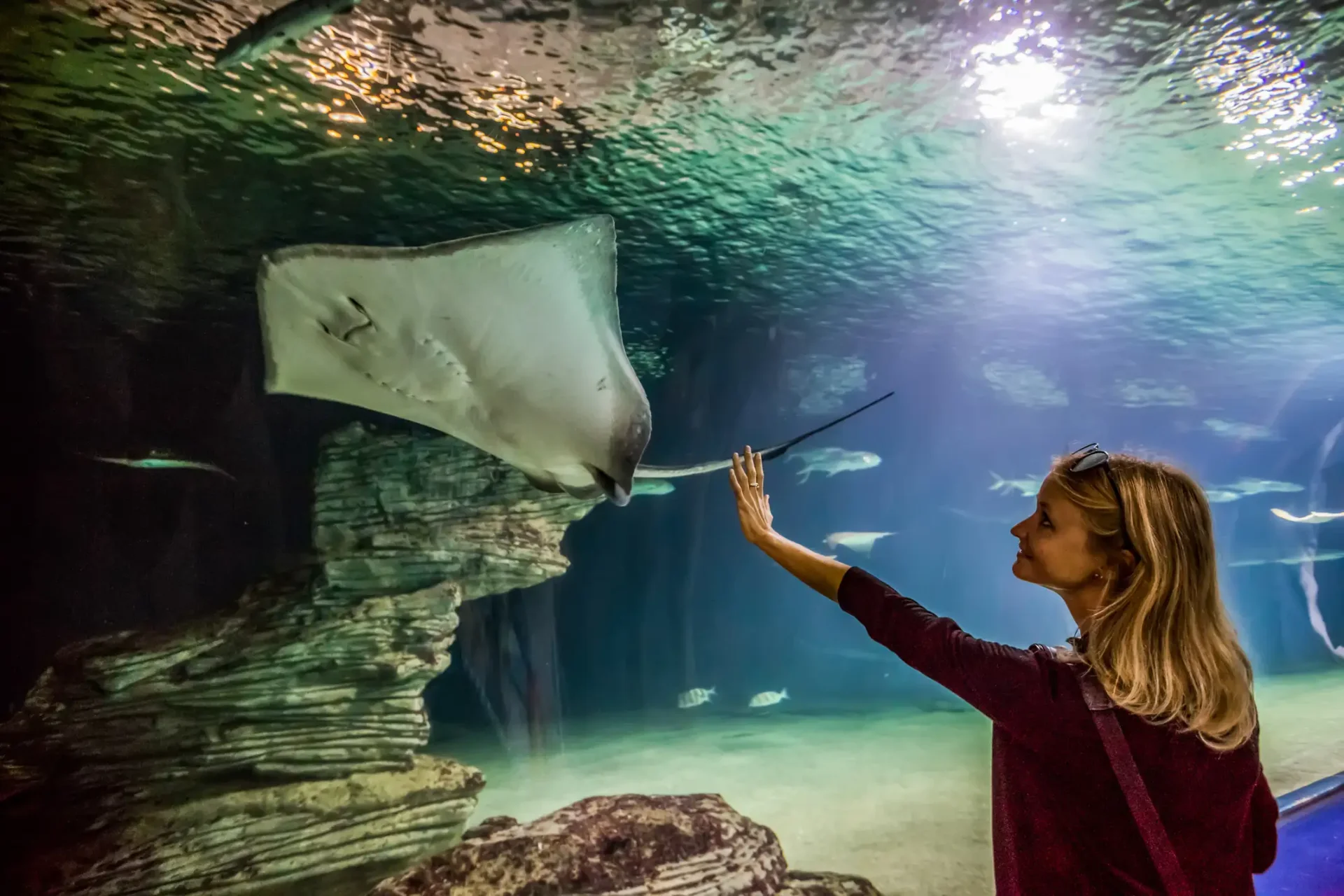
The Oceanographic of Valencia is the largest aquarium in Europe, with over 45,000 animals of 500 different species distributed in different marine ecosystems: the Mediterranean, the Atlantic, the Arctic, the Antarctic, tropical reefs and the open ocean. The submarine tunnel, where sharks swim over your head, and the dolphin show are the most impressive moments of the visit.
The building itself, designed by Félix Candela and opened in 2003, is also an extraordinary engineering work: white concrete domes that imitate organic forms and are reflected in the lakes surrounding the complex.
Valencia: entrance to the Oceanographic - More than 9,800 reviews with 4.7. Entry for all day, from €37.
Valencia: Combo Oceanogràfic and Museum of Sciences - The most efficient combination if you want to see the two main buildings in one day. More than 940 reviews, from €38.
Valencia: Oceanographic, Hemisfèric and Museum of Sciences, combo - The complete pack of the City of Arts: the three great equipment in one entrance. More than 2,900 reviews, from €45.
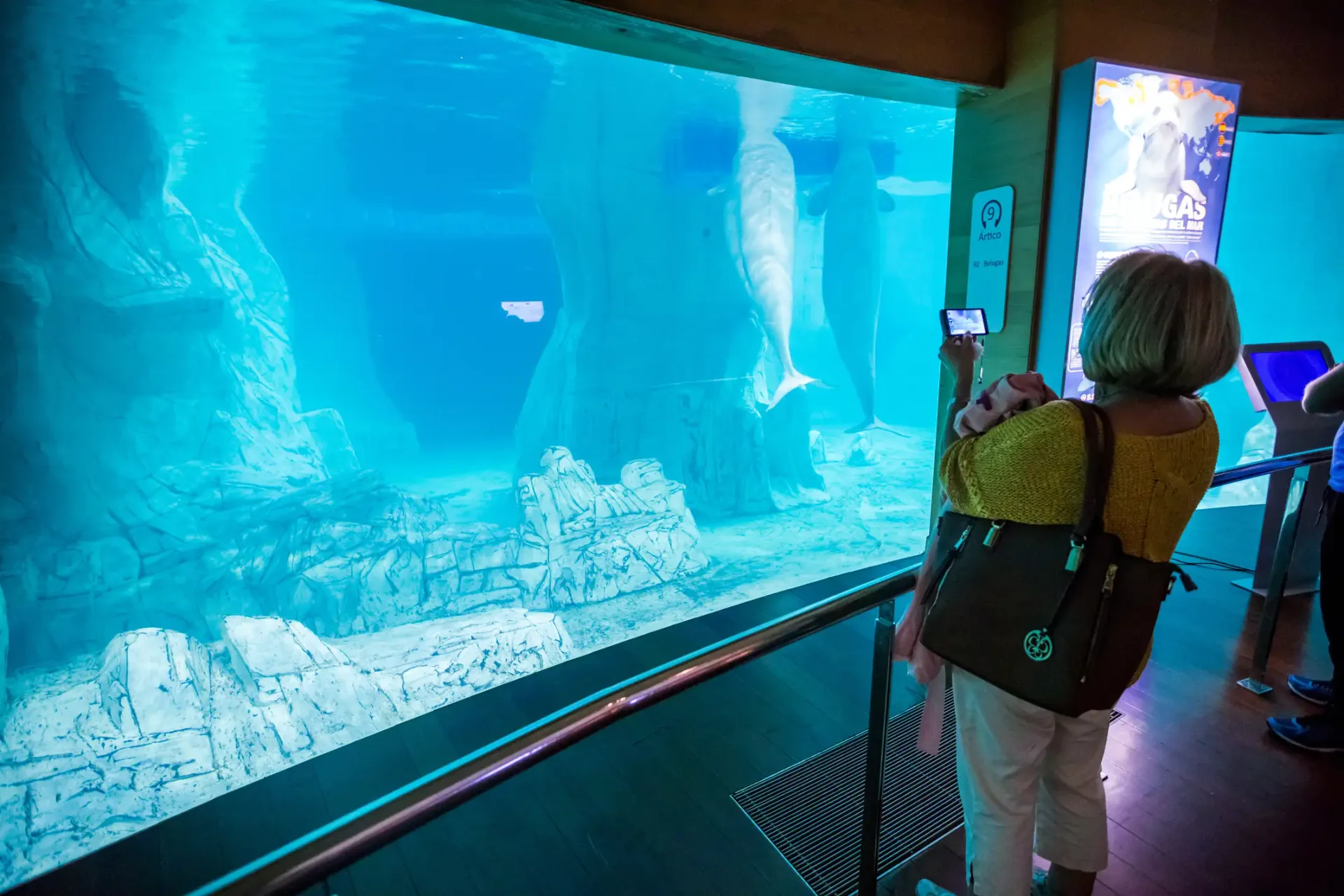
- Council: arrive at the Oceanographic at first hour (opening at 10: 00) to see sharks calmly before school groups and midday tourists arrive. If you can, book for the dolphin show of the morning session.
After the Oceanographic, he spends time walking through the rest of the complex of City of Arts and Sciences: Palau de les Arts (the opera, with its white ceramic cover that looks like a futuristic medieval helmet), the Museu de les Ciènces Príncep Felip (one of the most modern and interactive science museums in Spain) and Hemisfèric (the IMAX room in the form of a human eye). The architecture of Calatrava is so impressive that simply walking between the buildings and their reflections in the water deserves time.
Afternoon (15: 30h - 19: 30h): Tury Garden and Malvarrosa beach
The Turia Garden is one of the great urban works of Spain of the 20th century. When in 1957 a catastrophic raid destroyed the city, the authorities decided to divert the river's way out of Valencia. The old channel, 9 km long and up to 200 meters wide, was turned into a green linear park that crosses the whole city from west to east.
Walking or cycling through the Turia Garden from the City of Arts to the Bioparc (on the west end) is one of the best ways to see Valencia real: families doing sports, dogs running, children playing in children's parks, the older people playing petanque. The Turia is the daily life of Valencia in the open air.
The garden ends about 2 km from the beach of the Malvarous: the urban beach of Valencia, with 4 km of fine sand, chiringuitos, promenade and some of the best paellas in the world in the restaurants of La Marinera. Seeing the sunset from the Malvarosa with the Mediterranean at the front is the perfect closure for the second day.
Day 3 - Gastronomy and excursion: paella, market and hot springs
On the third day we dedicated it to the most Valencian: the gastronomy and the natural environment of the city.
Tomorrow (10: 00h - 13: 30h): Paella cooking class

The paella is the most famous dish in the world of Valencian origin, but the real paella, which is made in Valencia with the authentic ingredients, has nothing to do with what is served in most tourist restaurants in the world. Learning to do well is one of the most memorable experiences you can take from the city.
Paella cooking class, wine tasting and central market in Valencia - Top rated. 4 hours that include a visit to the Central Market, a kitchen class with local chef and a tasting of Valencian wines. Perfect rating for 5.0 with over 1,150 reviews. From €70. Valencia's best-valued gastronomic experience.
Valencian paella cuisine class, tapas and Ruzafa market visit - Top rated. 3h 30min with visit to the Ruzafa Market, cooking class and tasting. Perfect rating of 5.0 with more than 825 reviews. From €65.
Workshop of paella Valenciana and Visit to the market Algiros - Top rated. 2h 30min in the most authentic neighborhood market in Valencia, cooking class and tasting. 4.9 with more than 338 opinions. From €68.
- Council: the kitchen class with visit to the Central Market combines two visits in one. If you have already been to the market on the first day, the Ruzafa market option gives you a different and more daily perspective on the culture of the Valencian market.
Afternoon (15: 00h onwards): Excursion to the thermal waters and waterfalls
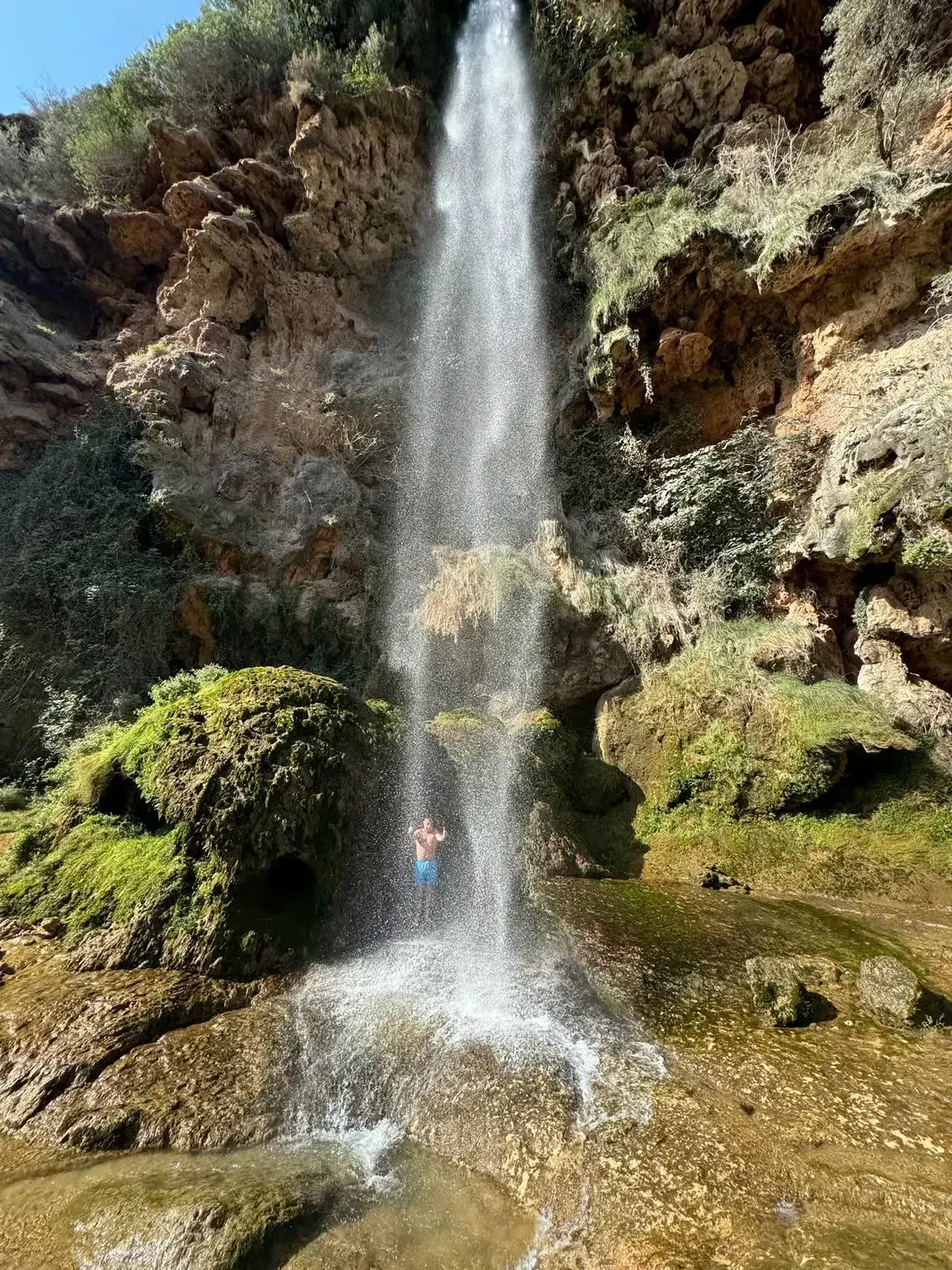
The best one-day tour from Valencia that currently exists in FeelRoute combines nature, thermal waters and a surprise that the organizers do not reveal until the last moment:
From Valencia: Hot Springs + Waterfalls + Surprise Stop - Top rated. 8 hours of excursion including a bath in natural hot springs, a waterfall visit and a surprise stop that travelers do not know until the day. 4.9 valuation with more than 520 opinions. It's running out quickly. From €39.
If you prefer to stay in the city and discover it from another angle, the full tour of Valencia in Tuk Tuk is a very nice alternative for the third day: 2 hours by electric vehicle covering all the neighborhoods and monuments you have not seen on foot, with private guide. 4.7 rating with more than 590 reviews, from 40 €.
The Valencian paella: what you must know before you ask
Valencia and the paella are inseparable, but there are some concepts that should be clear before sitting in any restaurant:
The authentic Valencian paella
The original Valencian recipe has no seafood. Take chicken, rabbit, flat green Jew (bassist), garrophon (a large bean), tomato, olive oil, saffron, rosemary and round grain rice. This is the paella they have made in the villages of the interior of Valencia for centuries. The seafood version is the "seafood paella," different and equally delicious but not the original.
The Scarrat: The Secret of the Good Paella
The socarrat is the fine layer of roasted rice that forms at the bottom of the paellera when the fire is well controlled. It is considered proof that the paella is well made and in Valencia the diners compete amicably for the socarrat pieces. If the restaurant serves you a paella and a socarrat, you're in the right place.
Where to eat the best paella in Valencia
La Pepica Restaurant (Malvarrosa): the most famous restaurant in Valencia, frequented by Hemingway and Sorolla. Paella reference since 1898.
Levante Restaurant (Benissanó, 25 km from Valencia): the town where it is said that the Valencian paella was born. The Galbis family has been doing it the same for several generations.
Casa Roberto Restaurant (historical centre): good value for money in the middle.
The Albufera (10 km): the restaurants of the villages of the natural park (El Palmar especially) serve paellas and rice in the surroundings where they were born. The most authentic experience.
The neighborhoods of Valencia that you can't miss
El Carmen: the oldest and most living neighborhood
El Carmen is the largest medieval district of Valencia, delimited by the Gothic towers of Quart and Serranos (old doors of the 14th century wall). Its streets are narrow, steep and full of urban art murals that coexist with baroque palaces of the 18th century. At day it is quiet and pedestrian; at night it becomes the epicenter of the alternative leisure of the city.
Ruzafa: the most cosmopolitan neighborhood
Ruzafa is the neighborhood that best reflects today's Valencia: diverse, creative, full of energy and with a gastronomy ranging from the most traditional Valencian cuisine to the most international proposals. The Ruzafa Market is the most living neighborhood market in the city.
Cabanyal: the marine neighborhood that resurrected
Cabanyal is the old fishing district of Valencia, next to the Malvarrosa beach. For years he was threatened by an urban project that was finally paralyzed, and in the last decade he has become one of the most identity and best cultural scene in the city. The low-colored houses, the Valencian tiles on the facades and the life-long taverns live together with art galleries and new kitchen restaurants. A genuine and unrepeatable mixture.
Excursions from Valencia: beyond the city
If you have more than three days in Valencia or want to add some day out of town, these are the best options. For more details, see our full guide to excursions from Valencia.
The Albufera: paella in the origin
10 km south of Valencia, the Parque Natural de la Albufera is the largest wetland in Spain and the place where the Valencian paella was born. A freshwater lake of 21 km ² surrounded by rice trees that in autumn are dyed with gold. Boat ride at sunset, paella dinner in El Palmar and return to Valencia in an hour. The most genuinely Valencian excursion that exists.
Thermal waters and natural waterfalls
The most amazing tour from Valencia combines natural hot springs with waterfall visits. The hot water, waterfalls and surprise stop excursion is the best value of the entire catalogue of Valencia and is constantly exhausted. Book in advance days.
Xàtiva: the most impressive medieval castle in the Community
65 km south of Valencia, Xàtiva has one of the best preserved medieval castles in Spain, suspended on a saw with views over the Morvedre Camp and the sea at the bottom. The historical centre, with its Roman fountain and Gothic palaces, completes an excursion that mixes history, nature and gastronomy in a single day. See all excursions in Valencia available.
Related items that may interest you
Frequently asked questions about Valencia in 3 days
Is it enough with three days to see Valencia?
Three days is the minimum recommended time to see the essential of Valencia with some calm: the historical centre, the City of the Arts, the beach and gastronomy. To see the Albufera, Ruzafa in depth and take a trip to the surroundings, you would need 4-5 days. If you only have a weekend (2 days), priority is given to the historical centre and the City of Arts.
How much does it cost to visit Valencia?
Valencia is more economical than Madrid and Barcelona. The entrance to the Oceanographic cost from 37 €; the Museum of Sciences from 8 €. The menus of the day in restaurants in the historic centre range from 12 to 18 €. A traveller with a medium budget can plan between €80 and €120 per person per day including medium-range accommodation, visits and meals.
Can you go to the beach from Valencia?
Yeah, and it's one of Valencia's great advantages. The Malvarrosa beach is about 4 km from the historic centre: 20 minutes by tram (line 4 or 6 from the North Station). The beach of El Saler, 15 km south within the Natural Park of the Albufera, is wilder and quieter.
Is it worth doing paella cooking class?
Totally, especially if it's your first time in Valencia. The paella cooking classes in Valencia combine market visit, original recipe learning and final tasting. The perfect valuations of 5.0 of the three available options speak for themselves.
When are the Fallas of Valencia?
The Fallas are held each year between March 15 and 19, with the great final act (the Cremà, the burning of the monuments) on the night of the 19th. If you plan your visit for those dates, the city is completely transformed: processions, mascara (gunpowder explosions at noon in City Hall Square), concerts and the satirical monuments of wood and cardboard spread throughout the city. The accommodation is exhausted months in advance, so book very soon.
What is the Tury Garden and how to visit it?
The Toria Garden is the old channel of the Turia River, turned into a 9 km linear park that crosses Valencia from west to east. You can walk, by bike (there are multiple-point rental) or by combining several sections with the metro. The best way to see it is to rent a bike in the center and go from the City of Arts to the Bioparc in about 2 hours.
Is the paella of Valencia different from that of the rest of Spain?
Yeah, significantly. The original Valencian paella has chicken and rabbit, never shellfish. It is made with rice of the area (Denomination of Origin Rice of Valencia), water of the Albufera and is cooked with fire of wood of orange, which gives it a characteristic smoked taste. Most of the "paellas" served outside Valencia are modern variations with seafood, not the traditional recipe.
Conclusion: Valencia, the city that has everything
Valencia is the Spanish city that most surprises those who visit it for the first time. They expect a middle-sized city with good paella and beach, and they find a metropolis with one of the largest medieval historical centers in Europe, an architectural complex of the twenty-first century that rivals with any city of the world, a gastronomy that goes far beyond rice and a daily life that has the perfect scale: not as large as Madrid that is overwhelming, not as small as it is exhausted in a day.
Three well-planned days following this itinerary give you a complete, honest and memorable image of the third city of Spain. And when you come back - because almost everyone comes back - you'll know what's left to find out.
You ready to plan everything? Discover all available tours and experiences in Valencia in FeelRoute with free cancellation and instant confirmation.


