

Objective: that you take advantage of Seville in 72 hours without racing, with a realistic plan, practical recommendations (schedules, reserves, heat, transport) and options for convert the theory in experience: entrances, guided tours, flamenco, cruises and gastronomic routes.
If you're organizing your trip and wondering what to see in Seville in 3 days, this guide makes it easy for you: I propose an itinerary by areas to walk the minimum, see the maximum and, above all, enjoy. And if you want to go with all tied (or avoid tails), I leave you direct links to activities in FeelRoute to book in a few clicks.
Before you start, save this link to have all the destination options by hand: tours and experiences in Seville.
How to organize Seville in 3 days (without improvising)
Seville has a very walking historical center, but it also has an "enemy" that conditions the plan: the heat (advanced spring, summer and early autumn). The trick is not to see everything: it's see what's important at the right time and leave room for what makes Seville unique: to sit down and have a drink, to walk in a hurry and to miss a little bit on the streets in shade.
Where to stay to save time
For a 3-day trip, the ideal is to sleep near the areas you are going to repeat:
Santa Cruz / Cathedral: perfect if you want to walk to Alcázar, Cathedral and Barrio Santa Cruz. Very tourist, but unbeatable in location.
Centre / Alfalfa: good balance (environment, restaurants, good walking connection).
Alameda: more local and nocturnal, ideal if you want "life sevillana" and bars with roll.
Triana: very authentic, across the river. Great for dinner and living the environment, although you will cross the bridge every day (nothing dramatic, but it counts steps).
Tickets and reservations: what is or should be bought before
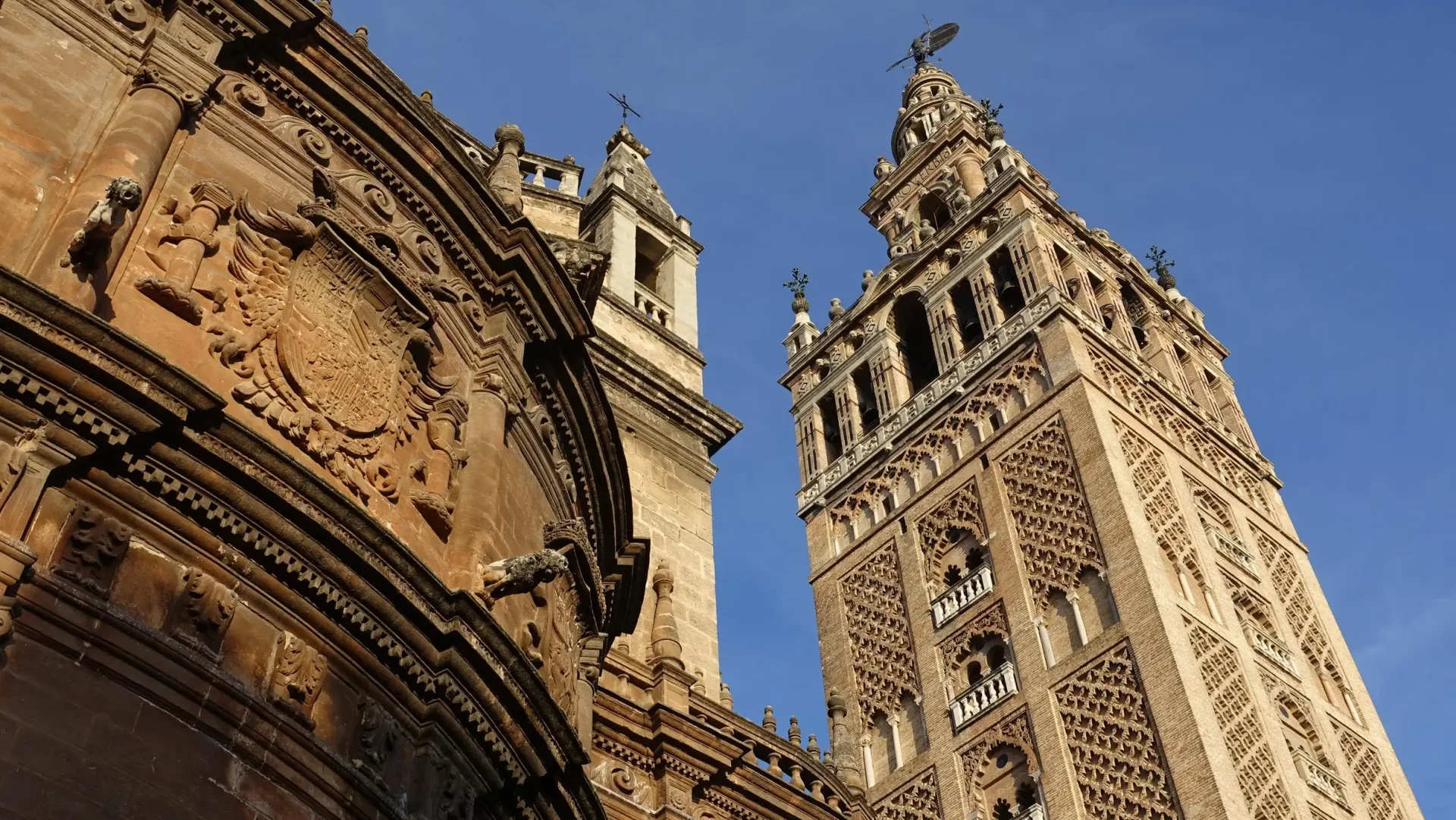
In Seville there are two "classics" that fill and mark the schedule of the day: Real Alcázar and Cathedral + Giralda. If your trip matches the weekend, bridges or high season, don't leave it to luck.
Real Alcázar: check official information and standards on your website (very useful for last-minute changes): alcazarsevilla.org.
Cathedral and Giralda: for schedules and facilities, check the information on the official website: times and rates of the Cathedral.
If you prefer to book it directly with cancellation option and mobile ticket, here are links to FeelRoute:
How to move
In 3 days, it's normal to move you. on foot Almost everything. For specific trips, use taxi / ride-hailing, bus or tram (in the center). The best advice: don't try to "make a city" in the hottest hours. Do inside (monuments) or rest and come out again at sunset.
Day 1: monumental Seville (Alcázar, Cathedral, Santa Cruz) + sunset in the mushrooms
The first day is that of the "indispensable" of the historical centre. The key is to book a time strip early for the Alcázar or the Cathedral, because in the middle of the morning you can see the increase of people.
Tomorrow: Real Alcazar (and its gardens)
Start with the Real Alcázar. It's one of those places where you don't just "see" a monument: You stay inside.. Give it time, especially to the gardens. If you like to photograph, go with margin: patios and light games deserve patience.
Recommended plan:
Get in first thing with your reserved ticket (so you avoid the box office tail).
Walk palaces and courtyards without haste; leave the gardens for the end, when you need a "nice rest."
If you are interested in understanding history and details (and not reading posters), you value a guided tour or a combined tour.
Book here if you want it closed: entrance to the Royal Alcázar.
Midday: Barrio Santa Cruz (not obsessed with seeing everything)
When he leaves, he enters the Barrio Santa Cruz. You don't need an infinite list: the beautiful thing is its "maze" of narrow streets, courtyards, oranges and tiles. Look for shade, take pictures and, if the heat is tight, sit down and have a drink without guilt: it's part of the journey.
Afternoon: Cathedral of Seville + Giralda
The Cathedral It's huge. The practical advice: comes in with a clear idea (for example, "see the inside, go up to the Giralda and go out calmly"), because if you go without a plan, you can feel overwhelmed.
To avoid queues and ensure availability, here is the FeelRoute option: entrance to the Cathedral and La Giralda.
Dizziness: mushrooms of Seville (Metropol Parasol)
The Fowls of Seville are one of the best places for the "wow moment" of the first day. Go to the sunset: the sky changes, the city turns on and you will have a very grateful panoramic view.
If you want to secure access: Input ticket for mushrooms.
Night: first tapas (with a golden rule)
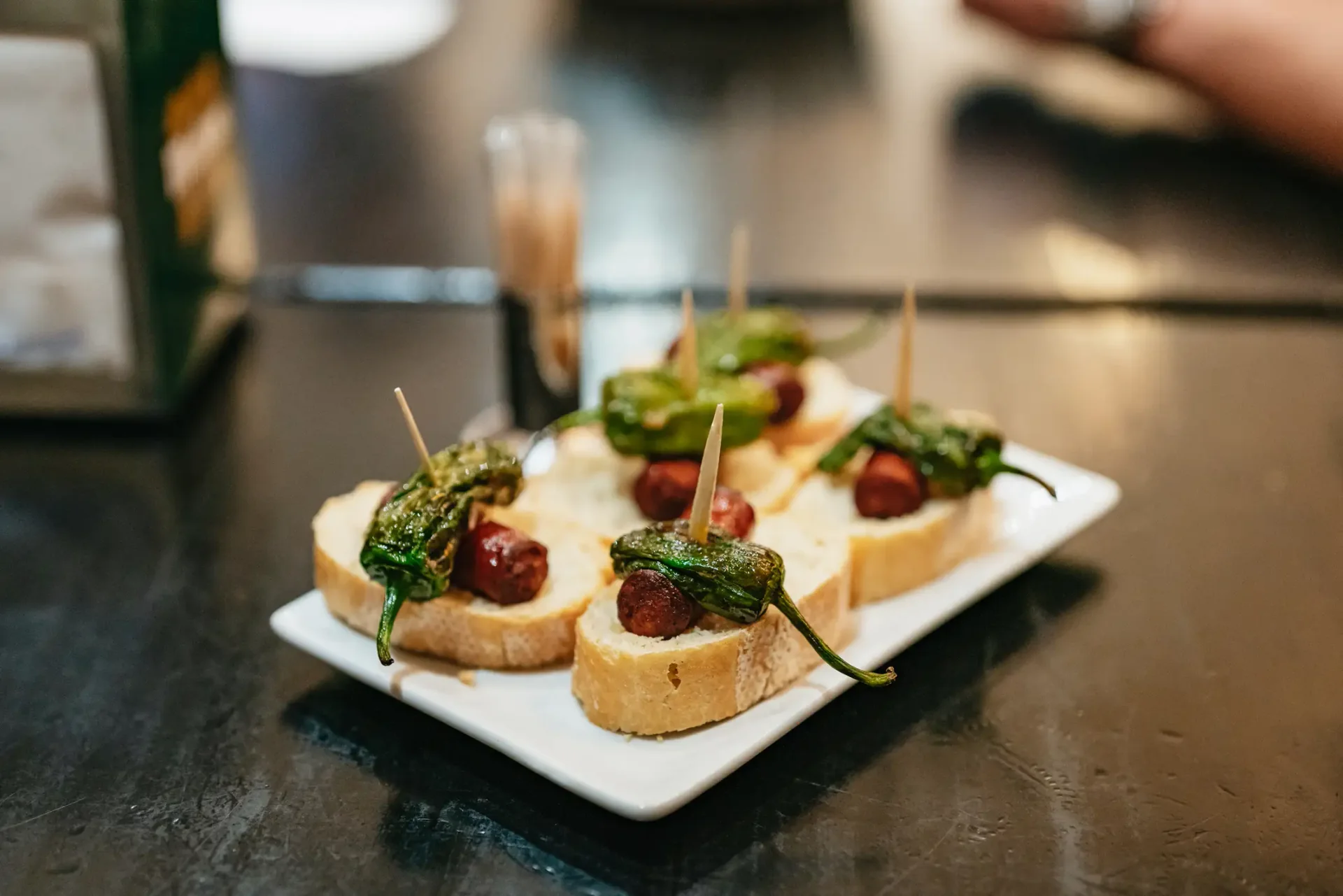
The golden rule is simple: Don't make a one-place dinner. If you want to cover. Sevilla is best enjoyed in "two or three stops" mode, with a lid and a drink in each place. It starts soft: there's a lot left tomorrow.
Day 2: Triana + Guadalquivir + flamenco (the Seville that feels)
On the second day we dedicated it to living the city: market, district with character, walk by the river, gastronomic experience and flamenco. It's the perfect day to balance "see" with "do."
Tomorrow: Triana Market and walk in the neighborhood
Start crossing into Triana. If you like the local atmosphere, this area gives you that daily Seville: streets with life, bars and a different rhythm than the monumental center.
You can combine:
Market (to bite something or buy a gastronomic souvenir).
Walk around the neighborhood and visit some local workshop / shop if you like.
A long coffee on a terrace (yes, counts as activity).
Midday: cruise on the Guadalquivir (to rest without "wasting time")
When you notice that the body asks for pause, the cruise by the Guadalquivir It fits great: you sit down, you have a breeze and you see the city from another perspective. It is also one of those plans that work with almost any traveller: couple, family or group.
Direct option in FeelRoute: 1 hour ecological cruise by the Guadalquivir.
Afternoon: route of tapas with guide (if you want to hit the first one)
Can you eat well without guidance? Sure. But if you want the first route to go round (without falling into "trap" sites), a guided route prevents you from rehearsing - error and teaches you to ask, to move and to understand the culture of the Sevillian tapeum.
Two recommended options for this day:
If you prefer to see all the options of the "eat and drink" type, here is the category: Gastronomy and Wine tours.
Night: flamenco (but choosing the format well)
Flamenco in Seville is a plazo, but there are differences between formats. For a first time, look for a show with good acoustics and visibility. If your plan is "dinner + flamenco," check that it's not a long experience, because sometimes dinner can "steal" energy from the show.
Two direct entries (as you wish):
You want to explore more options? Look at the full category of Entertainment.
Day 3: Plaza de España, parks and a getaway (or a relaxed plan)
The third day is the most flexible. I propose a very "Seville" base plan and two alternatives: a day escape (if you want to leave) or a quieter urban day (if you prefer to squeeze the city).
Tomorrow: Plaza de España + Parque de María Luisa
The Plaza de España It's from those places that seem designed to keep you. You get here relatively early, take it easy and then get in the Parque de María Luisa to lower revolutions. If you come in warm months, this is one of the best times to prioritize green areas.
Midday: decide your "third day" according to energy
Here are two ways:
Option A (escaped): a day outside Seville to see a nearby town / city without worrying about the logistics.
Option B (urban): museums, shopping, neighborhoods with atmosphere and a last long tapestry.
Option A: gastronomic escape to Carmona (olive oil + history)
If you want something different (and very Andalusian), an excursion to Carmona with olive oil tasting is a round plan: country, local product and a village with history to walk without haste.
Book here: olive oil tasting and culinary trip to Carmona.
If you want to see more unfiltered escapes, come in here: day trips.
Option B: Seville without haste (shopping, neighborhoods and last sunset)
If you already made the key monuments and you want to close the trip with a "city" day, do so:
Buy souvenirs (local products, ceramics, fans, gastronomy).
Walk through areas with atmosphere (Alameda, Centro, Triana) without watch.
Choose a place with terrace for a long table: it is the right way to say goodbye to Seville.
Practical tips to make the itinerary work (really)
1) Internal and external distribution
In Seville, the sun rules. If it's hot, get in. Indoor in the central hours (Cathedral, palaces, museums) and leaves long walks early tomorrow or sunset.
2) Book what has the capacity
Alcázar and Catedral are the most conditioned of the plan. If you already have your tickets on time, the rest is organized alone.
3) Don't turn the cover into a marathon.
The table is not "eating much": it is try. Two or three well-chosen stops are worth more than six mediocres. If you want to go to a shot done, a guided gastronomic route simplifies your trip (and it usually comes out better if you count what you test).
4) Leave gaps
A perfect paper itinerary can be a disaster in real life if it leaves no room. A long coffee, a street that calls you, a small shop... that's also travel. It plans 70% and leaves 30% for the Sevilla that is not sought: it is found.
What to eat in Seville: tapas and dishes that do not fail
Part of the grace of Seville is that the "plan" is sometimes a high table, a lid and a conversation. If you're going to eat on your own, here's a mental map to order with criterion (without falling into the typical "I don't know what to choose").
Tapas essential for a first time
Spinach with chickpeas: a classic Sevillian with history, perfect to start with.
Whisky solomile: strong and very popular (ideal if you come hungry).
Pringa montadite: simple, local and addictive.
Carrillada: melose and perfect for sharing.
Fried fish: If you want something light, ask for a ration for the center.
Salmorejo: especially recommended in months of heat.
How to cover without ruining the next day
The most common mistake is to turn the tapestry into a "grabbing" at 15: 30. If you want to go on with energy, do it like this: two stops at noon, rest, and a third stop later. And if you want a round (unimprovised) experience, a guided gastronomic route is the easiest way to try variety and understand what you're eating.
To see options for gastronomic tours: Gastronomy and Wine.
Best time to visit Seville (and how to adapt the itinerary)
Seville changes a lot according to the month. It's not the same thing to walk in July as in November. If you can choose, spring and autumn They are often the most comfortable moments to see the city calmly.
Spring: long days and environment. It is the most demanding time (booking tickets and accommodation in advance).
Summer: intense heat. It works if you adapt schedules (early, nap, go back out late-night).
Autumn: softer temperatures and very good cultural environment.
Winter: quieter and more pleasant to walk; perfect if you hate agglomerations.
Practical advice: if you come in hot months, prioritize in the morning (Alcázar / Cathedral) and leaves long walks by the end of the day. The Guadalquivir cruise also fits very well as "fresh plan": see cruise.
Common errors when visiting Seville (and how to avoid them)
To see everything: Sevilla rewards calm. Better 8 good plans than 14 in half.
Do not book Alcázar / Cathedral: He can break your itinerary. If you go just in time, the tour combined with queue-free tickets leaves you all day solved: see tour.
Tapear without strategy: too many stops in a row and then you don't feel like walking. Two or three well-chosen stops are enough.
To underestimate the heat: water, shade and schedules. In summer, nap is not a cliché: it is survival.
Leave the flamenco "for another day": And in the end you don't. Book one night and ready: watch shows.
Seville in 3 days with children (mini adaptation)
If you travel in the family, the key is to alternate "monument" with "rest" to make the rhythm sustainable. Three ideas that usually work:
Dusk mushrooms: views and short walk (and secure photo).
Cruise by the Guadalquivir: a while sitting around watching things, without extra tiredness: see cruise.
Parks: Maria Luisa as "reset" between plans.
In monuments, try to reserve first strip of the day (less tail, less heat, better general mood).
Mini checklist (not to forget the basics)
Comfortable and closed footwear (you will walk).
Water always (especially from April to October).
Sunscreen and cap in warm months.
Entrance reserved for Alcázar and Cathedral if you travel on dates with demand.
A night for flamenco (even if "only once").
Book your experiences in Seville (in 2 clicks)
If you want to have the trip closed and avoid improvisations, here is a quick summary of links:
Note: times, prices and availability can vary per season. Always check the information in your reservation confirmation.
You want to keep planning? Explore more destinations and activities in Fates FeelRoute or read guides and routes on the travel blog.


